I am really happy to share that the research I have been working on with Prof Andrew Spicer has finally been published! Released at the Bristol Screen Summit earlier this week it was a real pleasure to share the findings with top media industry practitioners and hear their reflections.
Go West! 2.5 Bristol’s Film and Television Industries is a report that explores and documents the changes that have happened in the regions screen industry. The changes reflects the UK-wide changes in the screen sector – the boom and bust that we have seen since the COVID 19 pandemic – and it reflects on how the national slump in production has affected companies and practices in the wider Bristol region.
The report itself highlights the difficulties that the screen sector has been in since the 2022 report – Go West! 2 – particularly highlighting the high rate of company closures and the shrinking of its iconic Natural History sector. Though hopefully, the findings will provide a useful resource for the sector in its recovery and adaptation to today’s changing media landscape.
Thank you everyone who took part and supported the research project. It was a big undertaking and I hope it will be useful for many freelancers and companies in the Bristol screen industries.
And we are back! With a fantastic film for the new academic year! Featuring as part of the university’s ‘Green Week’ we screened All That Breathes. A truly gorgeous film that tells the story of the ‘kite brothers‘ who work night and day to save the birds of New Delhi as they fall from the skies. Set against the city’s polluted urban environment and the political and social unrest, the film beautifully captures the brothers’ struggles with its intimate and poetic framing of their kinship with the natural world.
The film prompted a deep and honest conversation between audience members. With little time, it was difficult to dive into some of the emotions and response that the compelling story aroused. Below is a little summary of some of the themes that stuck out for me.
Group discussions
Conflict, crises and complexity where key themes that everyone in the audience were left thinking about. The human characters in the film regularly moved between, and were situated within, the chaos in the human world and disasters in their environment. The political unrest and protests that turned violent and the constantly dangerous level of air pollution gave the film a real sense of urgency. It always felt that the kite brothers were battling inevitable tidal waves that would never stop.
Yet, the film also offered a sense of purpose and calm. A serenity that permeated the urgent sense of chaos. There was a joy in the ongoing work of the brothers, a playfulness that came with their determination. The knowing that the injured and sick birds would keep coming, inevitably getting worse as pollution increased, didn’t stop them. They kept going because they cared.
This peacefulness affected us as viewers. The intimate and beautiful nature of the cinematography and editing made us feel like we were part of the film. That we, though also part of the chaos, were left mostly with that sense of calm that the human characters seem to move through their lives with.
The brothers connection to the natural world was illustrated by the stories that their mother used to tell them as kids. It highlighted a sense of spirituality that bridged a human-nature divide.
This connection gave the characters agency, as their deeply rooted understanding of kinship provided them with meaning and purpose. Through feeling part of something bigger than them, they knew they were not alone. And so they developed commitment, sincerity and determination to help the natural world they are part of.
The film club audience commented on the urgency and visibility the birds and the environment provided to an issue of air pollution that is otherwise invisible and slow changing. We all agreed this was beneficial as its easier to communicate an issue when we can witness its impact on our lives and environment.
But it also revealed another story: how nature is adapting on its own accord, striving to survive in the mess that humans left behind. Changing in response to humans, not stagnant and waiting for us to save it. Nature is framed here as alive, with its own sense of agency. Whether its the glasses-stealing birds or the pouring rain that floods the basement of the hospital, its not waiting on humans support, it is changing of its own accord.
The film presented a severe urban and rural divide. Telling a story of animals quickly adapting to the city’s human infrastructure that helped us recognise the richness of our own urban environments. Evolution of rural nature to the new urban settings was happening fast. The need to adapt quickly demonstrated how fast these changes our happening in the natural world, with lizards growing extra toes, kites using cigarette puts as parasite repellent.
These non-humans are learning and changing to survive. But just like humans need nature, such as the vultures and the black kites to maintain the quantities of waste and the ever-growing landfills, nature does need our human support, such as through the efforts of the kite brothers.
At the end of the day, the audience recognised the limitations of the film and understood the dramatisation of the documentary format. They were frustrated with what went unsaid, of the lack of details about the financial difficulties the brothers had coped with, the limited coverage of the political conflicts they are living in, and questioned what other support initiatives there may have been in the area for wildlife.
The film isn’t perfect. Its a window into the lives of these brothers that romanticise elements of their strife and the challenges of the systems they live within. The audience were frustrated by this and by the feeling that the efforts of the brothers were futile against the inevitability of the ongoing degradation of the city’s environment.
But, considering that the documentary is only an hour and a half, and that it left us feeling calm and hopeful, I think we must accept the filmmaker’s inability to go in depth into some of elements of the story. And I think what it does well, is capture kinship, connection and a the richness of the beautiful relationship between humans and non-humans. As with it, it ignites a little spark of hope and potential inside of us (well it did for me) that we can change.
Personal reflections
What I found challenging from our discussion and in the film, was the tension between the idea of systems change and change on a personal or community level. It is often hard to work out how best we can support a cause we care about or act individually to implement change when the world we live in is so overwhelming and complex. The scale of these problems can often feel disempowering and futile. Leaving us with a sense that unless we can target the core issue, any change we make is meaningless.
I admit, I often get trapped in this mindset. And, if unchecked, it can lead me to feeling small and doing nothing. As what’s the point if we’re all trapped in a broken system anyway.
But I can’t help wonder, how mighty convenient of a story that is – that we are powerless. That we are alone and all too small to make any “real” difference. That anything we try will never be “enough”. It is very convenient as make us feel alone, one lonely individual, and it prevents us from doing anything! If everyone believes this story, no one tries to challenge the system at all. It doesn’t recognise that together, a big bunch of powerless people suddenly become rather powerful.
What I really liked about the film, is that its story focused on ‘care’. It highlighted the value and beauty of developing a deep meaningful connection with nature. It was a story of kinship and the value and sense of serenity that comes from acting from a position of care for other beings, for our families, our communities… And how acting on sense of purpose it can be a way of caring for ourselves too.
The film was a comment on a small (though relatively monumental) effort a few people took to make a change. And yes, they were acting as part of a big broken system. In their words, they were something of a tiny band aid on the city’s gaping wound (not a direct quote!). But they didn’t try to save these birds with the aim of saving the city. They weren’t trying to affect the wider system, to make a big “enough” difference to make their actions feel valuable. They did it because they cared.
I am definitely not saying we should ignore the core issues of our time to focus on fixing little problems. No. We have limited time, finance, energy etc. to fix every tiny issue. And yes, we should use our resources to focus on where we can make most impact.
BUT! It is a question of motive. What is the story we tell ourselves behind why we are challenging the norm, taking a stand. Is it to make a big “enough” difference to make change worthwhile, or is it because we care and want to help others?
That for me is what I took away from the film. We are part of ginormous systems that are corrupt. But if I can act from a point of care in kinship with other beings, then I can make a change that might just benefit other humans and non-humans, and might just benefit me too. And when others feel cared for and see what is possible, it might just inspire them to do the same.
Finding a way forwards
I am so thankful for the help I received in setting up the film club from the environmental management team at the university. They were a massive support the whole way through and were a big instigator in choosing this magnificent film.
I also wanted to mention that they are launching a really exciting initiative as UWE is joining with the Nature Positive University project. As part of this they are encouraging students across all campuses to get involved with identifying any species they spot… plant, animal, fungi… to help map the biodiversity and ecosystems that our campuses support.
This is an amazing way to get staff and students involved with their local urban wildlife and encourage a little bit of nature connection. It is a lovely nod to the film urban nature connection and is one way showing how we too can take part in change in our local areas – that’s good for us and can help us to protect our local environments too.
On Friday 25th July, I stood in front of a crowd of 100+ people in Keynsham community centre and introduced what would be an energising and inspiring evening of film screenings, an expert panel discussion and moving conversations.
It’s safe to say I was nervous. I had been working with Nikki Dodd, the BAFTA award winning director of One Last Farm, on the planning and marketing of this event for weeks. And, however fabulously organised Nikki is and well prepared we were, holding a space that is open and inviting of participation and discussion is always a challenge. It struck me that for those few hours I was responsible not only for the facilitation of the evening, but for guiding audience members on a journey that I personally hoped would:
Build awareness of sustainable farming practice and the social justice issues surrounding the experiences of UK farmers,
Stimulate emotional connection with the topics and other audience members and,
Motivate a sense of personal agency, and, a desire to change and challenge a broken system that we are all part of.
We have received some amazing feedback in person and through our survey since the session. But, data is limited. However wonderful the many wonderful comments and thank yous after the screening were, I will never truly know the full extent of the impact the screening event had. I will never know whether I achieved my goals and was able to meet my intention. Here is just a small reflection on my personal learning from the day. I can only continue to hope that it set off invisible ripples of change.
Community spirit
As part of the Somerset Food Trail Festival, we had the opportunity to connect the screening event within a much larger programme of local events. This was really important for us, and something Nikki put a lot of time and effort into. In preparation, she built a network of organisations in the local area all who shared similar values, and cared about our local environment and/or food systems. This meant that when I stared out at the sea of faces, I recognised very few. And when I asked where everyone was from, it was clear there was a diverse range of people from different places who had come together because of their joint interest and hope for the evening. What this audience represented, was a very small community that would exist together, sharing the same space and going on the same emotional journey for a few hours. This was not only a place for them to learn about our food systems, but to taste test ‘community spirit’. No pressure I told myself!
Local stories
From my research, I know that personalised and local stories can be one of most effective methods for inspiring change. This was important to consider because of the Somerset Food Trail Festival we were part of, but also because one of the films screened was Nikki’s BAFTA winning One Last Farm. This stunning short film shares the story of Catherine Withers who was the farmer of Bristol’s last functioning farm- Yew Tree Farm – which has since closed. (Yes this was the same film I screened in the last film club! It was such a hit I decided to do it again but with Nikki this time!).
As one of our panellists, Catherine’s fierce determination and passion for the farm, which has since closed, and her deep connection with nature, really hit this message home. Her story is a challenging one that the film captures beautifully, and her words and hope are contagious. As I sat at the front and asked the questions I watched the audiences visually more with the words she was saying, being actively shaped by her story. I connected and strongly empathised with her tale, and from my vantage point at the front of the room, I could see that the audience did too.
We were really lucky to also have Nick Gates, the director of the first film we screened Save Our Wild Isles: Hungry for Change, and Kate Hughes, Chair of Sustainable Food Somerset. It was fascinating to watch as they shared their personal journeys in how they both were challenging the food system. Each held different perspectives and backgrounds with, Nick coming at the topic as a filmmaker and Kate as a journalist and farmer. Yet, they shared values and both had a deeply embedded care for the natural world. Their stories interwove with Catherine’s own, crafting a compelling case that clearly explained why we should be valuing our farmers, biodiversity and food more. Nicks tales of educational programmes for primary school children about growing food and cooking fresh produce, and Kate’s about her experience in agroforestry, provided extraordinary examples of the ways the food system could be challenged. It demonstrated the positive impact local projects can have.
Impact
I will never know the impact of this film club. Or of these personal, shared moments and emotional stories. But they gave me hope, they motivated me to challenge my own beliefs and practices. They also gave me the confidence to keep going, to keep trying to make change and inspire a meaningful impact.
Thank you!
I really must thank Cinema for All whose funding allowed this event to take place at the scale it was! We would never have been able to reach such a large audience without this generous funding. It covered the venue and the phenomenal local food and drinks, that provided an amazing opportunity for audiences to relax, discuss and taste how fantastic local produce is!
I can’t thank our volunteers enough! They were kind, accepting of all my bossy instructions and a massively encouraging super force that I could easily trust to actually run the show (and they really did) while me and Nikki busied ourselves with tech and facilitation. Thank you for your time, positive encouragement and friendship. You are all stars!
And thank you Nikki, for this amazing opportunity. I have learnt so very much from you. And it was an absolute joy to work together. A night I will never forget that has left an impression that will last a life time. I cannot wait to see what you do next as I truly believe you are a talented filmmakers and work miracles as an events organiser!
If you want to set up your own screening of One Last Farm or repeat a similar structure to what we used and host a One Last Farm, One Last Chance screening event, get in touch with Nikki through her website. Here you can also find out if there is an upcoming screening near you.
And so “Reel Nature” Film clubs come to a close for this academic year! In this final session, we screened the truly inspiring One Last Farm. A short film made by the UWE MA Wildlife Filmmaking alumni, Nikki Dodd. And what a phenomenal turnout we had! The beautiful film, Nikki’s fascinating contribution to our Q&A and our group discussion really got us thinking and left us all a little bit more motivated to connect with our local nature spots. And encouraged some of us to take that next step engage in climate action, because just as the film shows, change is possible! However challenging!
One Last Farm
One Last Farm tells the story of the last working farm in Bristol, Yew Tree Farm, and the difficulties it continues to face to survive. The small family farm in south Bristol is a haven for biodiversity with its SNCI (Site of Nature Conservation Interest) status. It is also a big part of the local community, providing organic food and wellbeing support for so many locals.
Director and Cinematographer, Nikki Dodd, captures the tale of Catherine Withers, the third-generation farmer as she battles growing pressures from Bristol’s shifting land demands as the urban population grows. Drama, determination and resilience, this short (under 20 min film) takes audiences on a journey. One of fear and hope, as we watch Catherine fight against council plans for a cemetery expansion.
You can find more about the film, watch the trailer and find a screening near you on the film’s website here.
Film still of Yew Tree Farm
Audience’s reaction
Despite the film’s short length, it was clear from the discussions that the audience’s were captivated and deeply moved by the messages the film contained. And by Catherine’s bravery and resilience.
As a farm that is farmed in a very different way, one that protects and encourages biodiversity alongside the organic practices, Yew Tree Farm is rare. It is also at the heart of many intersecting issues. Audiences pressed Nikki for more information about this, as with so many potential topics to highlight in the film, how and why did she decide to focus in on biodiversity?
Nikki answered by sharing that to her, at that moment of time, with the proposed cemetery expansion that was putting some of the land at risk, protecting the farm’s biodiversity and highlighting Catherine’s love and deep connection with the land was the most personal and true story that the film could tell.
Valuing nature
Many other issues arose in our discussions such as the issue of land ownership and how to measure the value of the farmland with its abundant biodiversity. How can we prove the invaluable nature of the farm and its long term contributions to the surrounding ecosystem’s health and human wellbeing. Audiences questioned whether we could collect more data and carry out more ecosystem surveys to prove the lands worth in terms that weren’t monetary. Others asked, whether data would ever be enough for people to give the land and its thriving ecosystems a high “enough” monetary value not to destroy it through development initiatives.
The film highlighted a conflict between humans and nature that is deeply embedded in our culture. A story that pins humans against nature and above the value of these natural spaces. This type of thinking revolves around economic decision making and focuses exclusively on short term gains. We couldn’t come up with an answer to this massive dilemma in our short session, but it got us all thinking. It encouraged a need within many of us to develop our own relationships with the natural world, to help us feel just how important it was in our lives and the need to prioritise nature in our own decisions.
The audience loved how the film captured the slow pace of the natural world and a sense of season’s changing. Watching the delicate shots of complex ecosystems and insect close ups, highlighted Catherine’s own connection to nature and how it enriched her life. Audiences shared how they gained a real sense of stewardship and felt close to the farm and its many wonders after taking part in Catherine’s personal journey. This nurtured a curiosity and appreciation for Catherine’s ongoing fight and clear determination on her mission to protect and keep the farm going.
It left many of us wanting to find our own ways of nurturing that connection with our own local green or blue spaces. We too are wanting to notice the seasons change and the beauty in the life that surrounds us, even here in urban Bristol.
Film still of Catherine Withers, the farmer at Yew Tree Farm and the film’s main character
The power of art and hope
Art is powerful. A tool that helps us to empathise across great distances, across species divides and motivate a sense of awe and desire to care for others. The audience recognised this within themselves after watching the film’s scenic and spectacular shots. What this also facilitated for us, was a sense of awe for Catherine’s clear dedication and resilience.
As even after everything she has been through, she admits:
“I am not broken quite yet.” Catherine Withers
The powerful effect of the film became evident when Nikki shared that the film was sent to the councillors featured in the film to help them understand just how valuable the farm was. This had an impact on their way of thinking and consequently, on their political decisions. It resulted in their agreement to protect the farm for that little bit longer.
However, many audience members shared their own frustrations in not knowing how they could make a change. Or how they could act on the hope that the film instilled in them. Transferring that hope into action is tough. But seeing Catherine’s power as one individual really did show us that we too, as individuals, can make a powerful change. And together, as a whole film club audience, we hold great potential.
These problems are not unique to Yew Tree Farm. This film portrays the struggles of just one of many farms and natural landscapes across the UK, that are all threatened by land development. What this film successfully does, is raise awareness of an incredibly important problem. One that is underlined by societies’ constant need to expand and grow, a rather unsustainable short term goal.
So, I leave you with some of the audiences final questions:
How do we decide what has the right to exist? How do we act as a group, as a part of a much wider collective, to protect and value that right? How can we nurture our own sense of connection to nature and to other humans, so we can act on this inspirational film and participate in making meaningful change?
A big thank you
As the last film club for a while, I want to say a MASSIVE THANK YOU to all of my phenomenal supporters, audiences and cheer leading team who help me to get the word out there! Some of you I will miss terribly as you move on after this year, and I can’t thank you enough for making this club a real joy to run!
A quick mention too, to UWE’s Student Union Experience awards! It was an absolute pleasure to be nominated for the “Sustainability” category. And so very happy to celebrate with all the other nominees (and the phenomenal person who won) and the fantastic work that everyone is doing at UWE. Lets keep making UWE a bit more green step by step.
Until next (academic) year….
Want to watch One Last Farm or set up your own screening? Easy! Take a look at the website and get in touch with Nikki here.
Are you looking for a film club near you? Here are some recommendations:
For this month’s film club we had a wonderful opportunity to partner with One Kai – “a marine and sociological catalyst that seeks to bring together all factions of the marine world, so that no-one’s voice goes unheard” – to screen their film about the spurdog shark – Fighting for the Underdog.
This beautiful documentary weaves together a story, that as described by the director Liberty Denman, is told…
“through the eyes of different stakeholders from Scotland to Cornwall. This film reveals how we are more connected to the Ocean than we realise. We all want to see our beautiful British marine life thrive for decades to come. This is not limited to those better known species but also to ones, such as the spurdog, which are often overlooked. [This film] follows the story of this small species of shark through the eyes of every community linked to it.“
Photo credit: One Kai – Fighting for the Underdog stills
We were lucky enough to be joined by some of their fabulous filmmakers afterwards for a Q&A session. They were drilled with many questions by our audience about the film, conservation storytelling and the process of filmmaking. We all learnt a lot about sharks too.
Before I begin to unravel the themes from the discussion, I want to encourage all shark and fish fanatics, all lovers of the sea and anyone with any hint of interest in conservation, to support their amazing initiative. Either find a screening near you, donate to the project or spread the word! Whatever you do, take away the message of the film in Liberty’s own words:
“Look for those underrepresented voices in conservation and facilitate a way for them to be heard in a non biased fashion.”
The film and its filmmakers really encouraged the audience to engage with the stories we hear in news, science and general life. Consider, whose perspective is missing? And how can we create a space for connection, for all of these voices to be heard, valued and connected together? This could enable future decisions for the beautiful spurdog species (and others) to be made collaboratively, by working-with others rather than excluding them.
If anyone has any questions or wants to follow the project, here is a link to where you can find them on social media @one__kai and on LinkedIn. If you want to get in touch with Liberty, with questions or to set up a screening, find her @libertydenmandives.
Stakeholder identities
Stories told by science and conservation can be one sided. Documentaries, such as conservation campaign films, often lean into the traditional heroes journey storytelling technique. This technique casts one character as “good” – often in wildlife films it is the conservationist hero who is trying to save the day. But, it frames their “opposition” as “bad”. In the case of Fighting for the Underdog, using this framing would have vilified the fisherman as evil-doers trying to demolish the seas and the fishing stocks.
The documentary film highlighted that in reality, the situation is not so black and white. Its not a binary tale of good vs evil, but actually a complex mesh of different stakeholder’s perspectives and lives. All of which are equally valid, but don’t necessarily have a platform to speak out or people who will listen. Their stories are, therefore, often oppressed or erased from the narratives that we, the public, hear.
With the fame of “Seaspiracy”1 and other dramatic documentaries, the filmmakers shared that many of those interviewed initially did not want to be involved. They held the assumption that this film, like the others before it, would take the same biased stance on the fishing industry.
Fisheries depend on the sea. They have a relationship with it and a desire to protect the it and its fish in the long-term. At the end of the day, their livelihoods rely on there being a sustainable supply of fish and this relationship is deeply embedded into their local culture.
This storytelling bias is not specific to the fishing industry. The same lens is often applied to farmers and other industries or cultures that live with and depend on the produce of their local environment.
For us, as an audience full of budding conservationists, science communicators and filmmakers, this was an important message. Through their interviews, we saw the humanness at the heart of the fisherman, those in the fishing industry and the conservation organisations. It was not hard to notice that the stakeholders represented on screen may not all see eye to eye, but they were all connected by a love and respect for the sea.
From the film and the filmmakers fantastic Q&A, we learnt to look beyond the veneer for the powerful stories hidden underneath. We were encouraged to question the one-sided stories in our own lives and to seek those other perspectives.
What the documentary demonstrated, was that the fisherman and those whose lives and work were connected to the spurdog shark, had a respect and understanding of the sea based on their lived experiences. To us, the audience, their experiences are very different to our own. It is through the power of personal storytelling and film that we can learn about these experiences and begin to empathise with them. For many filmmakers and conservationists alike,
Film, therefore, creates an opportunity to share these stories widely. By educating many, film can have an impact by not only raising awareness but by intentionally using these films as vehicles to encourage collaborative stakeholder engagement in policy making and the management of ecosystems, such as these fisheries.
Fighting for the Underdog‘s informative and creative storytelling pulls out the emotional heart of each of the character’s interviewed. Crafting a journey that all of us in the audience could empathise with and begin to understand. The film helped us value the opinions of academics, fisherman and local people equally and recognise these stakeholders’ care for the sea, as they all have a stake in its future health and prosperity.
The One Kai team have done an amazing job at raising awareness about the spurdog shark and the sustainable fishing practices around it. But, they also promote a powerful message, the need to listen to all sides of the story and to question which ones are missing.
I personally really encourage everyone to find a screening near them and spread the message about this brilliant project. And I want to say a massive thank you to the filmmakers for all of their support and for joining the little film club to help tell their own stories too.
Our February film club joined up with the nationwide Future Citizen Sustainable Fashion Week. This week long campaign aims to spread awareness, inspiration and skills to help us all take action with our wardrobes to be more sustainable.
The film follows the journey of Amy Powney, Fashion designer behind the Mother of Pearl brand, on her mission to challenge the exploitative, wasteful and extractive practices of the fashion industry. Starting from the very beginning of the clothes lives, the farms the materials are grown in through to the spinning, dying and sewing, we watch as Amy challenges the industry by sourcing materials, designing and making products for a completely sustainable fashion line.
Reflecting on fashion industry
We really enjoyed the film! It left many of us feeling curious about the origin of our own clothes and, though several of us never wanted to buy new clothes again, it didn’t dissuade fashion lovers from enjoying how they express themselves with their outfits.
We all felt a little shocked by having revealed to us the hidden process and long journeys of our clothes. None of us had any clue all of the stages that each of the fabrics went through before we ended up buying them. And each of us expected people in the industry to know a lot more too! We found it even more shocking what the brands and designers had no awareness of. Included in that was knowledge of (or care for) what happens after their clothes are purchased.
The film contained many interesting facts, figures and infographics, but something that dug its nails into me (one of many) is realising that each item of my clothing is better travelled than I am. No one in the audience realised how many countries are involved in the processing or how many chemicals and harmful activities are used to make our clothes appear more “fashionable”.
One of the messages we did know, was about the child and slave labour involved. It is something we were aware of and saddened to realise the scale of injustice. From the fast paced rat-race on top, where designers are under high pressure to churn out ideas to compete in the slit throat industry. To factory workers who risk diseases from the chemicals used. It was upsetting to learn of the lack of understanding there was of the people behind each of these processes.
But, we were super inspired by Amy’s mission! And the amazingly dedicated members of her team! One of the audience described how hopeful they were seeing her “give the industry a kick up the arse”. It showed that there are people who care and who work according to their values. It left a clear message, that challenging big industrial systems is hard, its full of mistakes and lots of learning, but it is not impossible!
And that we are not alone in the fight! There are many out there who support the same causes and want to make change. It just takes one person to pull up their socks and start.
Looking forwards
What happens now that sustainability has become fashionable? It’s brilliant that it is now a feature of many brands’ designs. But are they actually making the changes needed to shift the industry towards less extractive, wasteful and exploitative means? Or are they just ticking the ethics box to keep consumers buying more clothes?
Asking questions, was actually where we finished off our discussion. Knowing what to do next after watching an environmental or campaign film is hard. Without films leaving the audience a set of instructions of what they can do next, film club members often admit feeling a bit lost. Or hopeful but unsure of what to pour the hope in to.
That’s why I really like that the film ended on the #FashionOurFuture campaign which gave 9 options of pledges that we can take over the next year to reduce the impact of our clothes. These included the below, from a screenshot of Amy Powney’s instagram page, which give us all a good idea of what we can do next!
It was the act of actively questioning and reflecting on our actions and purchases, that our film club jointly agreed was something we all need to do more of. Asking our brands where clothes are sourced, whether child laborers were involved in making it and whether the brand stands against animal cruelty. As if enough people ask these questions regularly enough, if we make decisions by our values and hold those (brands and people) accountable for their unethical actions or greenwashing, we may be able to nudge these systems into changing.
But don’t stop there, take a leaf (or thread of yarn) from Amy’s book, we need to push the system until it looks more like one we all feel proud to be part of. Good luck!
In the first Reel Nature film club of 2025, we partnered up with the MAKERS Project in UWE, Bristol that aims to connect networks of makers and fixers around the West of England. Together they have been increasing awareness and teaching the skill set needed to repair our clothes, tech and household items. This amazing group has helped empower communities and reduce the need to buy new stuff, cutting emissions and waste. There are tones of repair cafes, libraries of things and community workshops around Bristol and the south west – here is just one of them that can help get you on your way to mending your own stuff!
Buy Now! The Netflix documentary, released in November 2024 in time with Black Friday, tackles head on an issue which faces almost everyone – consumption. Or more specifically – over consumption. It cleverly weaves a spectacular and brutal story that guides audiences through the marketing lies and techniques that we are all subliminally subjected to, revealing the hidden disastrous impacts that our shopping habits are having on communities and environments around the world.
Gorgeous, enticing, shocking and mildly intimidating. It gets your emotions going. At least it did for the amazing film club audience that came to see the documentary. But I am not here to pull apart or echo critique that can be found elsewhere on the internet. I am here to talk about feelings, thoughts and reactions. And not my own, but from the film club’s amazing open audience members.
So I have to thank the filmmakers! The documentary started many difficult and honest discussions. By opening our eyes it has vividly made clear the need to spread the word. So hear I am!
Now go watch the film! And share it widely! But first, maybe continue reading.
Emotions
Created using the marketing techniques that brands use to lure us in, it is an aesthetically glorious and overstimulating film. Colours, sound effects, overpowering narrative given by an AI-like being who knows all, the film is absorbing! And these techniques that get you to click the “Buy Now!” button are obviously rather successful at getting your emotions going!
We felt everything. The audience commented on how some felt disgust, rage and overwhelm on learning the truths the film uncovers. There was anger and blame targeted at the ‘invisible powers that be’, that seemingly have no morals in deceiving the masses into distracted states of constant want. ‘Fault’ was accusingly used to target the lack of responsibility these people in positions of power expressed in their decisions. You get it, they seem evil.
The overwhelm for some was laced with all-consuming guilt from our own consumptive actions, as we assessed our mistakes and struggled to find alternative ways to live without causing the harm depicted on screen. This level of guilt when tinged with shame can lead to a sense of powerlessness. A need to escape the system. Perhaps we should all go and live in a self-sustaining hut in the middle of nowhere? Exciting yes, but what does leaving the system achieve, if we already live in a world where 2.5 million shoes are produced every hour and 15 million unwanted clothes are sent to Ghana each week?
The wasted unwanted clothes that get washed into the sea in Ghana.
What was interesting was watching the teetering balance of all of our emotions in the discussion, watching as people swayed between guilt over their own individual actions (I was definitely stressing about the waste plastics that obviously are not getting recycled) into outrage. And somewhere there was a spark of hope, of the speed of change that is possible and the creative opportunities that we can engage in now that we are aware.
Hard truths and lessons
The film is full of them! Hard truths and lessons that is. And I am not going to summarise them for you here. Go watch it… And yes, I know I am encouraging consumerism. This was one of the things our audience picked up on. Isn’t it ironic that the film is streamed on Netflix, a platform that is not accessible to everyone and is producing ever-more entertaining content tailored to appeal to audiences and entice them into binging and watching more.
Just like the fact that not everyone in the world is able to watch Netflix, the audience spoke of how not everyone has the agency and ability to act up against the system. The people who work in the factories depicted on screen are in very different places to those who were interviewed on screen. Though there was great appreciation for the whistle blowers who are making change, it was acknowledged that they are in places of privilege. Those in the room who had worked for some of the companies depicted on screen shared that they experienced similar wasteful scenarios. What was clear was the level of injustice that the film clearly visualised and the need for a much wider systems change.
Audiences discussed how there wasn’t much information that was new in the film. Much of it they already knew or where vaguely aware of. (Apart from the light bulb story, that was appalling.) Somehow seeing these issues in this film made us feel differently about these issues. Yes, that does encourage guilt for not having considered these issues before, or potentially done anything about them. But, it does talk to the persuasive power of the storytelling techniques used in the film. By playing with our emotions it riled many of us up and the outrage powered our conversations of disgust. It led to our questioning of what we can do next.
What can we do next?
There is hope! At least we did find our own sources of hope in the room as we reflected on the influence and agency we all had. There are many options out there of things we can do to engage in this problem. But the audience observed that the film hints at at a few of these options at the end of the film but provides very little information about what we can actually actively do next. What action should we take? How do I learn to fix my stuff? Which brands do we trust? There were no resources suggested or invitations to take that next step at the end of the film. There is nothing to capture our will to act at the point when we are most anxious, outraged… or guilty.
So here is what we settled on:
Spread the word!
Change our behaviours: buy less and learn to fix more.
Challenge the system. Can we lobby the powers that be?
The first is easy and harmless, but tough nonetheless. We need to start talking! Everyone in the room had such different backgrounds and networks. Though they all decided to come to the screening of their own backs, so must have had pre-existing interests, not everyone in our lives does. So there was encouragement to continue our film club discussions with our friends and families to spread the word.
A big message that came from the film was about greenwash and the brands pushing the responsibility of the need to change onto the consumer. Making it our problem, our responsibility. Here is where some of us felt a push back towards where our guilt came from. As these woven lies encourage us to feel it. But we are not victims nor are we powerless. We can change our shopping habits and we can reduce our waste. And these are really empowering to do. With our limited energy and attention, unless this is just me, we have to be understanding of the fact that we do exist within a much wider system and our behaviour changes may only reduce the impact by so much. So we need to share our attention and efforts between personal change and systems change.
Challenge the big fish! This is not as easy to do as changing to a reusable water bottle I admit. It is not as clear and obvious as the “buy now with one click button”, therefore not quite as convenient. But to have a larger impact, it is necessary. Putting some time into a google search to find local community groups and initiatives that already exist that we can engage with is a place to start. There are policies and politics that we too can campaign around about tax and imports that we can rally against. As one of the audience members stated, if we want our political systems to represent us we have to engage with them. Whether that’s working with them or pushing against, these systems shape the world we live in. So its our responsibility to shape them.
Finally. We can do all these things to change, and we must change, but it was pointed out that we also need to practice self awareness and care in whatever we decide to do. These stories that appeal so strongly, persuade so easily and distract us from what we think is right and what we care about, they run deep. We need to be aware that the need to buy new things is often linked to deeper personal issues, like a fear of the judgment of others. Or the willingness for distraction and escape which may be caused by an uncertainty of change and risk of losing the comforts that ignorance grants. There is an underlying need to challenge ourselves while we challenge the system. To do that sustainably and to play the long game, care must come first.
Thank you everyone who came and contributed to the film club. And to everyone at the MAKERS Project who made it all possible. Please do one thing today and sign email your MP about this declaration to contribute to a political systems change. I challenge you, after signing that form, what else can you do to help tackle over consumption?
I was invited by the wonderful Social and Cultural Cognition (SCC) group in the Department of Psychology at the University of Bath to come along to their research meetings and give a little presentation about my PhD. My messy multi-disciplinary project has roots in many academic fields and the more I get into climate emotions and audience behaviour change, the more I learn about the relevance of learning more from the field of social psychology. As this is what underpins how we as individuals perceive and act on what we learn and understand about the global crises. I think its best to be clear, I am very new to this field. That is why I was immensely thankful to the group for inviting me along to their research meeting as I knew I had a lot to learn from them all!
But, before I start to waffle, I just wanted to say a massive thank you to the group for their openness, intrigue and true kindness. I felt so welcomed and supported by everyone who gave up their time and offered so much help. And thank you also for letting me partake in your Christmas activities too. You are a truly fantastic bunch of super interesting people, I really hope to bump into you again soon.
I had met Professor Gregory Maio after he appeared on a panel at the recent Wildscreen Festival. The panel was put together by Wendy Darke, founder of True to Nature, and explored the topic of young audiences and asked: how do we connect with them and inspire and engage them with the natural world. It was fascinating to hear the science of values and behaviour change which explained the role of awe and curiosity in facilitating nature connection. As a topic for a panel, it validated the importance of filmmakers working with academics and social scientists when wanting to make more impactful films targeted at children and young people. As you can imagine, the invite to meet Professor Maio’s research group to learn more about studies really excited me.
And they didn’t disappoint! After delivering my small (over enthusiastic and waffly rant) presentation and finishing with a plea for any recommendations, they kindly offered much advice and poignant questions which got me thinking. I wanted to share a few of them below. Warning, they come with no answers as I am definitely still learning!
Long-term bi-directional relationships
What does that even mean? Or refer to?
So, when thinking about audience impact of watching Natural History documentaries, there are several different responses that can be considered. Some include the effect on audience’s emotions, behaviour, attitudes, values and interest. These can be short-term, like instantaneous disgust or fear from a hunt scene, or long-term, like feeding a life long interest in nature. The variety, complexity and temporal effects are very hard to measure. Therefore, in a scientific study they can often be missed or go unrecognised. Particularly as these effects then inter-relate with different areas of the audience’s wider lives in ways that may increase or diminish them. For example, interest in nature may wain if there is a large thunderstorm that prevents them from going outside to experience it in person.
It is this wider, or contextual, relationship between these effects and other parts of the audience’s lives that made my ears perk up. As it may be a two way system. An external love for nature could make people turn on the TV to watch a Natural History series, but it may also lead to an increased likelihood that they would change their behaviours in response to watching one of these series.
Complexity of audience impact
This journey of an audience member is not something I can map out as part of my research. But, it raises interesting questions when thinking about the role of the genre in maintaining or increasing a long-term love and interest in nature. As this may lead them to take more sustainable decisions and actions in the future.
However, as mentioned by one of the lecturers, the impact of that interest in influencing nature-related behaviours is complicated. As they may encourage them to participate in local conservation initiatives, or it may encourage fuel-intensive behaviours such as long-haul flights and travel. But if that tourism then supports the funding of community initiatives and the protection of habitats, the measurement of impact and whether they are “good” or “bad” for the planet becomes rather difficult.
At this point, it was also questioned: who are the audience of the series? As who can benefit from the impacts of awe and nature connection from watching these series? With more content moving onto paid for streaming platforms, virtual nature in the format of Natural History documentaries, is not universally accessible. And which geographical countries may not have access to watch these series? If thought about in the context of potential impact of the series, who in the audience has local access to green or blue space and who can afford to travel elsewhere to experience the type of environments these series present?
I was given many other fascinating questions to think about such as the role of narrative persuasion, to the connection between novelty and awe, the difference between awe and curiosity and the impact of these series on the audiences openness to new experiences. These I will save you from reading and admit I need to go away to read more on as they are new and exciting opportunities for my project.
Before I finish, I must apologise for the lack of photos. I definitely enjoyed the Christmas and night time views of Bath with my eyes without thinking to enjoy with my camera. Trust me. It was beautiful.
Finally, I want to say thank you. I was inspired by everyone’s own projects and very excited by my own. And I was very bruised from the amazing time ice skating with everyone. So I wish them all a great winter break and lots of luck, I look forward to seeing where their feedback and recommendations take me.
For the final film club of 2024, I screened the first two episodes of the popular and widely discussed (in TV circles) “On Thin Ice: Putin V Greenpeace“. This recent BBC documentary series, in the words of BBC iPlayer, captures “a daring protest on a Russian oil rig goes terrifyingly wrong. The activists become unwitting pawns in Putin’s war against the West – and at the heart of a global crisis“. After attending Wildscreen and reading a lot about the excitement surrounding the documentary series in recent media, it was an obvious choice for the film club.
In the recent COP29, UK broadcasters released an updated pledge to increase the climate content on TV and to measure its impact. This goes beyond their previous pledge made at COP26, where they acknowledged broadcasters’ “crucial responsibility to help our audiences engage with these challenges” and set out to collectively to communicate climate and inspire audiences to act in their media outputs. But, communicating climate issues without unleashing fear and despair through “doom and gloom” stories is hard. To combat this, genre-mixing is an increasingly popular method used in media to communicate and make entertaining climate. An issue that at the end of the day is complex and anxiety-inducing. Genre-mixing in practice, mostly means mixing different genres with drama formats. This makes stories entertaining by using techniques that are known to attract audiences and increase bingeability. As being “bingeable” means it works on streaming platforms.
So I was keen to show this series as I wanted to hear the audiences thoughts and reactions to:
The new climate-drama format
The representation of Greenpeace as a well known activist organisation
The climate crises messaging
And I wanted to watch the series myself!
I try to be careful to step back from the discussions to see what opinions and debates are risen. This is something I am still learning and it meant that not all of my personal thoughts were discussed. But, as always, I was fascinated in the audiences reactions and really humbled by what I learnt from everyone else. So here are some of my key learnings from the film club audience.
Audience feedback
Here are a few themes from the post screening discussion that often came up:
Media responsibility – filmmakers and communicators of science and news are accountable for the messages they include in their content. Audience members stated these messages should be truthful to reduce the risk of spreading misinformation which can have a harmful impact on audiences who may not critically engage with their content.
Good vs Evil storytelling tool – typical to dramatic and suspenseful television, this narrative framework often plays off two characters or causes (in this case Putin and Greenpeace) against each other. This tool often frames someone as “hero” and the other as “villain“, therefore taking an ethical stance by marking one as “good” and the other as “bad”.
Media persuasion and influence – [SPOILER] sort of. There was a very clear message in the episodes of the immense value of footage as ‘proof’. Media is a powerful platform for communicating true stories that may otherwise go untold. It is an important tool for informing societies of events that might otherwise not be believed. It gives people a voice.
Good vs Evil
This is a dramatic and divisive storytelling tool. It creates tension through battles and often unites groups in the audience who root for the same character. Audience in the film club explained that in the case of “On Thin Ice”, the storytellers built on the current geopolitical stance on Russia and the everyday news coverage of the Ukrainian war. The series therefore utilises existing tensions to create an entertaining story.
However, as a storytelling tool, some audience members discussed how this technique creates two definite and binary sides. The divisive tool, depending on how it is used in dramatic storytelling, reflects and enhances existing divides and differences in society. It is divisive in how it can be used to alienate a proportion of the public, depending on which side of the split the audience relate with. Therefore, it risks contributing to existing polarisation between different communities.
Students who had studied science communication and had an understanding of behaviour change, emphasised the risk this creates when used in climate communication. To affect successful behaviour change, it is important to try and build bridges between groups in society. Not drive wedges. One audience member commented that the hard work of bring people together and encouraging communication across these divides is what is needed to bring about transformative change. And a change that is just and values different peoples’ perspectives and experiences.
This critique of the storytelling technique does not say it is “wrong” or “bad”. But that it must be used carefully and practiced with awareness of how it may impact audiences. It is a very effective tool in for dramatic storytelling, but is it the best if you want to leave a strong climate message that can lead to effective and positive social change?
Media responsibility and influence
The “shock” tactic is one that we in the Western world are all aware of. Whether it is clever marketing techniques getting us to consume more products, media outlets and/or click bait, we are somewhat used to being shocked. But, footage of events around the world that we may not see without the platform of the media is very valuable. It is an effective way of amplifying voices and sharing necessary stories. In some cases this can be an important way of increasing awareness and can lead to meaningful action to attempt to prevent injustice.
The film club audience spoke to both the importance of sharing new and shocking content to reveal hidden truths, and to the fact that our media drenched society are highly desensitised. They commented that the stimulus required to shock us is now a lot higher than it may have been in 2013 when the story of the Arctic 30 broke out, that this documentary series is based on. The audience discussed how the highly oversaturated social media lives of today have developed a much higher level of tolerance and have much shorter attention spans. Therefore, the dramatic framing of the story may be what is needed to trigger a response.
Despite our desensitised society, the audience pointed out “without the footage, nobody cares”. Footage makes a story believable and often emotionally relatable. But how the story is framed, how the footage is edited, can effect the framing of it’s “truth” and the message the audience take away. This linked back into the theme of “responsibility” as the communicators/filmmakers have the power to influence what the audience believe. The accuracy of the storytelling and the reliability and trust in the platform communicating it, affect the believability of the content. Therefore, the audience felt very passionate about the responsibility thus the accountability of the media. Particularly because of the very real and current threat of misinformation.
The recent trend to make content more entertaining through dramatic telling, to encourage bingeability so to gain viewers, was debated in the discussion. This technique both can be culturally impactful as it appeals to an audience that may not hear or choose to watch that content otherwise. So it expands the audience diversity. But, by making the stories more entertaining it encourages a sense of “perceived learning” where audiences believe they are learning more than they actually are. It also builds awareness, but not critical engagement.
Some film club members explained that a responsible media platform should offer truth and let the audience develop their own perspectives so they can engage in the content however they feel they have capacity to within their lives. This way you encourage a diversity of perspectives and empower audiences in making their own informed choices. But others questioned whether this limits audience reach as you may only be preaching to a choir of already converted who would already choose to watch the media content.
Those from a behaviour change background questioned, if the purpose of this content is to increase awareness of an audience, what happens next? What makes audiences want to act on that awareness and engage with what they have learnt in practical ways? This feels like a particularly important question for a documentary series about activists engaging in direct action to practically act on the urgent climate crises. The film club audience questioned, what is the impact of entertainment and encouraging audience awareness? So I question, what is the impact the filmmakers and broadcasters wanted the series to have?
My response
I want to clarify, this is not all of the themes that came out of the discussion. There were many. But it felt like these were important ones (from my perspective) to share. The film club audience may feel otherwise. Some of the others included climate action and activism and the role of the individual and governments in change. Also, the conversation could have easily gone on for a lot longer. If it had we may have reached different conclusions.
But, my overall response, is just massive appreciation for the people who come to these screenings. Who share their valuable perspectives. And who seem to enjoy it too. I love holding this club and I learn so much. So, I end 2024 by saying thanks to everyone who helps and comes along. And, I will end 2024 by finishing the rest of the episodes of this series too!
At my recent film club we held a UK Premier of “How to Protest in the Land of Plenty” (2022) with a Director and participants Q&A! Honestly, I am still buzzing after watching this beautiful and incredibly inspiring film. The characters are so relatable, the scenery stunning and their stories endearing. I can’t thank them enough for coming to my wee film group and answering our 100s of questions with so much passion and care. And I can’t encourage you enough to watch, or even better, organise a screening for your community, family, the people across the road…
“In every action there is a success as people see it and it makes them thing”
“There are so many ways to make change” was one of my favourite pieces of feedback. The film’s overarching narrative is about a tree occupation in the Altdorf forest in Southern Germany. Where a group of activists built a community settlement to prevent the forest from being cleared for a gravel pit. The film captures a great number of stories of different people responding in different ways to interconnected issues that they all cared about. At its heart, the film invites you to share a space with this community of activist who all hold similar values and a deep rooted care for people and our planet.
Bin diving! So many vegan goodies!
From bin diving to save food thrown out by supermarkets, then cooking it up for community meals or giving it away at market stalls. To marching through towns dressed as historical characters. To hanging banners off of massive cathedrals and trees in public areas. The diversity, creativity and joy behind their actions is clear. These characters felt so human and easy to relate and empathise with. You can’t help put support their efforts and want to take part, despite its challenge, as the film truly illustrates the joy of this community.
The pride these activists take in educating themselves about the law and their rights, so they can defend themselves when arrested or in court, was something we all found inspiring and motivating. It highlighted how important it was to understand and question the policies and systems in place that don’t work to protect us. Don’t protect our future. And don’t protect our planet.
The film club members commented on feeling encouraged by the activists’ creativity and courage. But also by their long-term approach to their protest activities. No one action will fix the massive interconnected mesh of problems, but each one plants a seed and is part of a sustained effort to continuously work towards a better future.
“Voting is important. But direct action is needed to sway the trend that becomes the change.”
The struggle of feeling frustrated and not knowing what to do to effectively make change is a relatable one. Particularly in the case of the past few weeks of news. The problems feel so vast and complex, its easy to get lost in the unknowing and feel clueless about where to put your energies towards. But that is what I found great hope in the message carried by the stories at the heart of this film.
The audience members were keen to find out the response of the filmmakers and activists to the global politics and conventions, such as COP, to hear how effective they felt they were. And their responses echoed the need for community, long-term efforts and continued grassroots response to challenge the broken global systems. As these conferences will not make the changes that are needed fast enough. And they need direct action to “sway the trend”. Alone these political systems are not enough.
A big community protest to protect the forest from becoming a gravel pit.
It was clear that the community’s actions shown in the film and those that have taken place after, were hard but galvanizing. Bringing a deep sense of agency and connection with others in and out of the movement, and with their environment. This idea felt a little contagious, in a good way for me and others watching.
What’s next?
The audience managed to fit in the final important question before the nights end: what’s next? Whether as part of the film project or in another campaign, each of our guests showed clear dedication and passion for continuing their activist efforts. What I found inspiring was how they described the impact the film and the conversations they were having with audiences. It demonstrated how positive of a vehicle the film was for telling stories, encouraging empathy and planting seeds. It also highlighted the great value of conversation, in bridging gaps across unlikely divides and fostering new relationships. And, I want to add, in making people feel less alone and a little less lost.
One of the tree houses made in the forest occupation, with its own solar panel energy!
I wanted to challenge my normal film club attendees. I often screen wildlife films and TV series that leave you feeling good or with messages about climate change tacked in at the end. But this time I wanted to go for a campaign film. One with a clear mission. And one where the film captures a project that would have happened with or without the film crew. I.e. making the film was not the mission but to communicate a message about the project being filmed.
And (not so secretly) I wanted to go in see how we felt about the role of the adventurer – the classic explorer and hero. A story or mono-myth that is often discussed to be problematic, but informs many of our traditional and favourite myths and modern tales.1
So, for my second Reel Nature environmental film club of the academic year, I screened Chasing Ice (2012), directed by Jeff Orlowski. The film is about famed photographer, James Balog, who traveled and photographed remote areas of the Arctic with his team in his mission to capture undeniable evidence of how the changing climate is changing our planet. This film documents Balog’s dangerous journey and his efforts with his team to photograph the melting glaciers, which is all part of his Extreme Ice Survey project. Aesthetically breath taking and emotional, this film had a big impact across media and society and my film club audience too.
“Inspired.”
When asking audiences how they felt after watching, it was rather unanimous that the audiences’ main response was that they found the film inspirational. Many commented of the sadness they felt when they watched Balog’s journey and when they were faced with his bleak and picturesque photographs of the melting glaciers. They spoke of the power of these images to shock and engage audiences, beyond that of facts and figures, and how they effectively capture emotions that enabled an audience to engage and empathise with the issue at their heart.
Despite the widespread emotional impact, not everyone was able to resonate and connect with the main characters – a small group of white, Western, upper/middle class males which isn’t relatable for many audiences. Furthermore, the topic of the melting Arctic is so far from all of our lived experience, so it was hard to feel a personal connection with that unknown natural landscape. The group acknowledged that the film may impact global audiences differently due to its lack of relatability and the amount of science and scientists included. However, the emotional journey and the strength of the final message seemed to translate well within our film club with each member personally feeling impacted by the film.
Role of the explorer
It was Balog’s personal sacrifice and the risks he took that many of the film club’s audience quoted as their main source of inspiration. They saw this sacrifice as a demonstration of deep care for the planet. And it was this, alongside his photographs, that helped to communicate the true urgency of the mission.
Balog’s commitment seemed to communicate and make accessible emotions of fear and grief that where reflected by the risks he took within the landscape to get his desired footage. It is his physical and personal ‘heroes journey’ that created an arch that the audience members felt they could relate and empathise with. In this form, the film provided a space or container for the audience to feel like they were part of something larger than just them. A community of like-minded people who held similar values and cared for our planet. A space where they wouldn’t be judged or have to justify and explain themselves. They knew that the film club was a bit of an echo-chamber and the self-selecting audience members would belong to the same bubble. But they questioned if he was able to use the film to target wider audiences, they too might feel the same connection.
Despite my questioning of the heroes tale, the role these stories play as vessels for audiences emotions, for making them feel less alone in these complex interconnected global crises, is something I learnt from the screening. And something I will consider more in my future film clubs and research.
What will you do next?
As a campaign film, it is created with a key purpose, one to create impact in some way. Impact is notoriously hard to measure as it can happen in a diverse range of areas, such as the communities and landscape you film in, the audience that watch it, and the policy surrounding the main topic. This is just a few possible options. But without some way of measuring these changes, it is hard to prove any impact actually took place2.
There is evidence in the film itself of the impact Balog’s project impacted different audiences. And there is evidence across media that people really enjoyed the film, it has won a lot of awards and been screened at many festivals. But the only way I really have to see what impact it has on audiences is through the discussions in my film clubs. So I asked them: what will you do next?
There was a very mixed variety of responses! From going further into environmental science education to learn more about the issues in the film. To making a film or their own media campaign to spread the word. Some commented about wanting to go and see these locations and travel the world, which they admitted was a strangely ironic reaction – the wanting to “see these places before they disappear”. It ignited a love to travel and explore the world, it is “now or never” as when we are older many of these places will no longer exist.
One of the responses, which I must admit resonated with me, was wanting to talk about the climate and ecological crises more in every day life. It was brave what Balog and his team did. And through their bravery they found a way to tell an important story. It feels like a brave thing to create an open conversation with people outside of our bubble, in a place we know we will be judged and where we might judge others, about what we care about. As if we create a space for open conversation with other bubbles, they might find an emotional connection too. One that can help to bridge a gap between different groups communities that haven’t yet heard a story they feel they can relate to.
To read more about Impact Production in film, television and media I recommend you look at this brilliant resource from the Doc Society: https://impactguide.org/↩︎
MY FIRST FILM CLUB OF THE NEW ACADEMIC YEAR! Ok. Down to serious business.
I run a monthly environmental film club at UWE for students and staff to talk about the issues of climate change, environmental crises and social justice. I use the films as spring boards for group discussions, which question:
What impact these films have on all of us as audiences?
How we engage with these crises-based stories?
What (if anything) we feel we want to do next?
But really, these film clubs are just ways to talk about stuff that is big, scary and not always easy to discuss with friends and family. And that’s what they ended up becoming last year when I ran them, places to chat and be sad sometimes but to find hope through connecting with others.
“Things already exist!”
The miracle of seaweed. Director Damon Gameau visits the Climate Foundation project’s sea weed farm.
From seaweed1 (my personal favourite), to local solar energy grids in Bangladesh, to farmers in Australia diversifying their crops to increase the health of their soils – 2040captures the stories of different climate and environmental solutions. And as summed up beautifully by an audience member, “they already exist!”
Determined to tell a more hopeful story, one where we have fixed these complexed problems, Director Damon Gameau travels around the world to learn about about the solutions to these crises that already exist. Addressing the film to his 4 year old daughter, Gameau uses VFX and animation to visualise the world he wants her to live. He uses a technique called fact-based dreaming to create a world where humanity has made the changes needed to mitigate and adapt to these crises. What better film to start the year with.
Rooftop gardens in cities for urban food projects.
But how did the audience react?
The response was overwhelmingly positive and incredibly hopeful! Students discussed how the film had empowered and engaged them with its informative and inspirational message. Many seemed energised by the positive message that contrasts the ‘doom and gloom’ crises narratives often pasted all over media. There was also surprise, particularly from those studying environmental topics, that there were so many new stories or solutions out there that they had never heard of. The variety of initiatives that were community-led and the innovative descriptions of the science and theory behind these potential fixes left us all really motivated – me included.
However, it was rather dreamy. Despite the variety of solutions that Gameau managed to film, we were all left curious about some topics that we were personally concerned with that were briefly mentioned or not covered at all. A big one missing was waste.
Automated transport schemes, like self driving cars, that were publicly owned were a big focus of the film.
If we are to replace all of our old cars and tech with new eco-friendly alternatives and if we are to live in shiny new insulated houses, what happens to all the old ones? There was a big focus on all the technology that can replace what we already use. But a lot of us questioned what waste systems will be introduced to reuse or recycle the old materials. With debates around landfill vs incineration and the environmental damage inflicted by both, is it realistic that we can just replace everything? And what about the resources needed to make all these new materials, mine all the minerals and the equity of the labour behind it.
Energy was a large focus of the film. With beautiful demonstrations of the potential local networks of renewable energy grids for transforming and empowering rural communities, but even urban ones too. This requires massive changes in infrastructure, if houses and roads are being adapted or removed to build new sustainable alternatives, which generates a lot of new green jobs. Here the film mentions the need for training engineers and fossil fuel workers to ensure a just transition for the labour force too. Though, like waste, the education and policy needed to ensure climate justice in this area are lightly touched upon
An aged Gameau using a publicly owned urban transport system.
Community was a key theme that ran throughout the documentary. And one of the topics the film club felt quite strongly about was sharing. There was a lot of support towards public ownership of things like transport and energy systems, but as described in the film, independence and personal ownership is a big part of modern society. It is deeply entwined with our identity, pride and egos too. To own a car, phone, shoes, watch – they are all symbols of status in a capitalist society. Though we agreed that a lot of objects spend most of their time going unused – like my hairdryer – the logistics and practicality of sharing these items didn’t always feel so straight forward. This is are also deeply tied into ideas of safety, access, privilege and trust.
Would these shared items need rules and regulations? Would people be punished for not following them?Would these items always be cared for and respected? And would they put additional strain on individuals who have less access or are time poor?
Several students pointed out how rich Bristol seemed as a location for community and sharing. With services to repair or donate old items and lots of local initiatives they could engage with. This knowledge and awareness (especially at the beginning of the student year) was extremely encouraging and others found it empowering to realise that some of these fixes already exist in our local areas. We just have to engage with them.
Drawing in response to the ice breaker, “what does your 2040 look like?”
Here I must acknowledge that this film was most likely targeted at an audience similar to the community that Gameau and his 4 year old daughter lived in. It focused heavily on the lives of those who would live in areas that may not suffer as much from the impacts of the climate and environmental disasters that we would face even if we did make all these changes by 2040. I do question whether a hopeful message could be too strong if not rooted enough in the realism of the devastation these crises will cause. Is there such a thing as too much hope – delaying change with the message that we don’t need to do anything as everything already exists and others are already doing the work of change.2
I am not being realistic. As an hour and a half documentary that aims to showcase hopeful solutions that “already exist” and offer inspiration, it does a very good job. It is not there to provide the answers. That is, in a way, what it tries to engage audiences in with its online platform and hybrid format – encourage audiences to participate in climate action.
What will you do next?
Trying to give my group discussion its own narrative flow, I ended by asking the group what will they do next? What is the impact of the film on them? It was amazing hearing the students feedback about how they planned to incorporate some of the solutions into their lives by eating less meat, getting involved in urban vegetable planting projects and local community initiatives.
However, there was a final comment that threaded through the discussion that I want to share here, to leave others to reflect on. We as a group agreed with the film and its message, many of us shared the same core values, but how do we authentically work and live a life guided by these values? This requires critical reflection, slowing down and sometimes going against the grain of what we consider normal in todays society. And this is the challenge that we were left with at the end of the film club.
Overall, I want to say a MASSIVE THANK YOU to everyone who attended and my wonderful crew who support me with the running, organising and spreading the word. I feel very lucky to be able to do this and a little bit less alone every time I do. I hope that this film club can provide a place to share experiences and knowledge from our diverse backgrounds, and find connection with others as together we explore the uncertainty created by the complexity of these crises3. Where there is no right answer or single solution, but there are many individuals and communities working to build and reimagine a more hopeful future.
Thank you.
To finish this on a hopeful note, here is the toad I saw when cycling home. Hopeful as I hoped I didn’t run it over by accident (it was very well camouflaged as a leaf), then I slowly ushered it off the cycle path.
I study wildlife films. I have no skills in filmmaking. But I do get very excited by my local wildlife.
But, this years Critical Studies in Television Conference really made a strong case for online conferences, reducing travel and increasing accessibility. Run by Edge Hill University’s Television Research Group, this slow conference was scheduled over two weeks and mostly recorded, allowing speakers from all around the world to take part. This slower layout also allows those with differing time commitments and responsibilities to take part. Opening the door to audiences who can’t afford to travel or aren’t able to with the care or other commitments.
TV saves the world!
Themed on the UN’s Sustainable Development Goals, the 2 week conference really did explore the potential of a large variety of Television productions to inspire change and make an impact that may help ‘save the world’. With each paper themed on one or more of the 17 goals, researchers explored the ways their projects or chosen series interconnected with targets like ‘Climate Action’ and ‘Industry, Innovation and Infrastructure’ that aim to create “peace and prosperity for people and the planet, now and into the future.”1
One of my favourite panels was ‘Representing Climate Change: An industry perspective‘2 – which I have to admit is where I borrowed the ‘save the world’ theme from (thank you). This panel linked beautifully with my own project with its focus on the commissioning and filmmaking practices of the television production industry. Here I was introduced to ideas such as ‘trojan horse’ storytelling that are story-led rather than issue-led – as the topics of climate justice can be beautifully interwoven into almost any content. But it also opened my eye eyes to the mind and decision making process of commissioners, as I began to question what would be considered ‘worthy’ content or what was the commissioning ‘norm’ for Natural History documentaries? And how could the desire to commission hopeful messages be balanced with creating space to discuss reality – without messages becoming overly ‘doom and gloomy’?
This panel has also sent me on my own journey exploring what does it mean to empathise with the main character (also if they happen to be non-human)? How does it affect our ability to remain critical of the message? And what is the impact or the hero or anti-hero character on the audience’s engagement with behaviour change? What is our agency as audience members embedded within our human communities and much larger ‘ecosystems’? And how is this influenced by what we see on screen?
All are questions that are prodding and shaping my own research, and there are no answers I can pretend to have yet. But I can say a massive thank you for the seeds of inspiration all the presenters planted! My mind was truly boggled. And the magic of a slow conference is that you have the time to reflect afterwards!
I save the world?
I really don’t.
And this is me in the past trying to (not at the conference!)… with empathy and slowing down.I must have predicted I was going to write this blog…
As the first conference I have presented at, it was an amazing opportunity to consider how the topic I research, Natural History documentaries, might help to nudge people in the right direction!
The conference’s theme got me thinking about how the impact of these blockbuster wildlife series and their filmmaking process closely links with goal 12 ‘Responsible Production and Consumption’.
This could have gone in many ways, and I could have easily written an hour long ramble, but I was tied to 20 mins! Just briefly a few of the topics I considered discussing:
The impact of BBC’s final episode of Blue Planet II – This episode changed how audiences thought about disposable plastics and encouraged the start of new habits – like reusing plastic bags. This example of sustainable behaviour change shifted consumption patterns and caused companies to change their production patterns too.
Carbon calculators – Broadcasters and production companies are increasingly practicing more climate aware filmmaking practices trying to cut down on their carbon footprint and their waste. With organisations such as BAFTA’s albert creating amazing resources and training to help production calculate and cut their CO2 emissions, sustainable practices are now becoming the norm.
Impact production – Amongst filmmakers, there is a growing interest in Impact production. This covers all from the impact a production has on its filming location, to the impact it has on its audience, and the wider socio-political impact of its message. It is very hard to concisely define ‘impact’ but Doc Society’s toolkit does a really good job of providing the practical steps filmmakers can take.
Overall, it encouraged me to question – what does it mean to responsibly produce television content and how/can audiences responsibly consume what they watch?
My presentation was far from perfect! I was ill, I had a big nervous sweat on and I needed a 2 hour nap afterwards (thanks to the magic of slow conferences yet again). But, I had some truly phenomenal questions in response! I was so relieved and excited by the engagement of others and their interest – particularly in the role of Sir David Attenborough!
It was online! So no photos! But here is a sneaky peak at my last slide (when obviously gives me a standing ovation…)
Gratitude saves the world!
This one I believe a little more.
I want to say a massive thank you to Edge Hill University and the amazing organisers from the Television Research Group for the fantastic and eye opening two weeks. And the beyond brilliant organisation and communication! It was a joy to attend and a real pleasure to present at.
Thank you for making my first experience of presenting such a good one!
How to Be Animal: A New History of What It Means to Be Human
By Melanie Challenger (2021)
The first few sentences of the book sum up Challenger’s argument beautifully, and my fascination with it:
“The world is now dominated by an animal that doesn’t think it’s an animal. And the future is being imagined by an animal that doesn’t want to be an animal. This matters.”
Before I begin, I must admit that I am still reading this book. Therefore, I am cheating and not running this imaginary book club very well. Nonetheless, I still have an emotional stake and a theoretical take which I intend to delight my imaginary readers with.
“Do you think you are an animal?”
What does it mean to be animal? What does animal actually mean? A simple internet search1 breaks the definition down to mean:
A living multicellular organisms in the biological kingdom Animalia,
An animal as opposed to a human being,
“A person without human attributes or civilizing influences, especially someone who is very cruel, violent, or repulsive”
This brings me to Challenger’s first sentence:
“The world is now dominated by an animal that doesn’t think it’s an animal.”
As a living multicellular organism that belongs to the kingdom of Animalia, as a human, I am an animal who is opposed to being an animal. Humans may not think themselves as animals, but we also don’t want to be animals. I know there are some exceptions to this generalisation (i.e. I quite like knowing I am an animal). But throughout her book, Challenger clearly breaks down the human and animal oppositional belief that is core to our (Western) cultural way of thinking.
The reason I write about it here is because this relationship (human and non-human) is key to my research. As how we think about the more-than-human world shapes our lifestyles, our decisions and how we engage with climate change, ecological crises and social justice.
“Are you superior to animals?”
From the teachings of religion that have told us humans have souls and animals don’t through to Darwin’s theory of evolution, there is a core belief that humans are different to and more than animals. This is because of the understanding that we have abilities that are more advanced than animals. Challenger begins the book with the quote from Darwin below (I have read more than the first page!),
“Man with all his noble qualities, with sympathy which feels for the most debased, with benevolence which extends not only to other men but to the humblest living creature, with his god-like intellect which has penetrated into the movements and constitution of the solar system – with all these exalted powers – Man still bears in his bodily frame the indelible stamp of his lowlyorigin. “
Charles Darwin
Darwin’s theories challenged religious beliefs by suggesting that (hu)man came from the same “lowly origin” as the rest of the animal kingdom. Most likely some single-celled bacteria-like creature somewhere. Darwin, therefore, argued against the religious creation story. However, his theories do not disprove the religious dualism of human and animal. Instead it introduces a new secular way to justify it: the separation of human’s “noble” cognitive qualities – “our god-like intellect” – from our “bodily frame”, which is the unfortunate “inedible stamp” of our low animal origins.
Challenger explains our ability to contemplate our emotions and physical reactions theoretically validates the separation of our rational minds from our bodies. It is our bodies and their irritating irrational emotions that are characterised as “animal”. This cognitive solution to dualism, as Challenger refers to it, maintains a hierarchal way of thinking that enables the idea of human exceptionalism, that humans are superior to animal due to their noble intellectual capabilities.
“Does this matter?”
“And the future is being imagined by an animal that doesn’t want to be an animal. This matters.”
Yes, is my simple answer.
Challenger describes how dualism between humans and the more-than-human world reflects the binary relationship we have with our bodies – the human rational mind and lowly animal bodies. She goes on to explain that these beliefs may have severe consequences. If we as a species base our worth on our mental capabilities, we risk creating a worth or value based hierarchal system within society. This could causes the very moral problem Challenger refers to as our paradoxical fear of being animal.
Here I the definition the delights of the internet supplied me with above when searching for ‘animal’:
“A person without human attributes or civilizing influences, especially someone who is very cruel, violent, or repulsive”
Our (Western) society has traditionally functioned according to a hierarchy where humans intelligence or cognitive attributes are placed above bodily qualities. In this social hierarchy, we value rational intelligence as most important as it is least reliant on methods of knowledge that may be more closely linked to our body, emotions and the more-than-human world. Those at the top are therefore more human than other persons, who are consequently more animal. Thus the higher ranking humans are ‘justified’ in their superiority, not only over the more-than-human world but over other humans.
If these humans are higher and more ‘perfect’, as they are less like the flawed animals they came from, there is a risk that a system of worth is created. Higher humans, higher value. A superiority system that objectifies and dehumanises others, justifying their exploitation due to their perceived lesser cognitive capabilities and resultant lesser societal value. This system is used as it justifies discriminatory and exploitative practices, allowing humans to distance themselves from the moral and ethical problems entwined with these abusive behaviours.
Within the complex wicked problem that entangles the issues of social justice with the impacts of climate change and the ecological crises, I answer with certainty: yes. It definitely matters whether we think we are animals are not.
Why does this book club matter for my research?
When researching and creating stories that inspire transformative change, there is a need to address the ideas at the core of the tales we already tell. If these new stories are built on the societal beliefs that are used to justify exploitative and discriminatory practices, they will simply replicate and reconstruct them. Therefore, we need to start looking at ways of staying with the trouble and not distancing ourselves from the entangled wicked problems, while living-with the more than human world2.
I hope you have enjoyed my imaginary book club series. I definitely have, despite it being imaginary. I hope it has given you food for thought and if you want to share your responses to any of these questions, get in touch!
I actually don’t want to say too much about this book.
But I will say this. I found the journey of reading it beautiful, moving and difficult. Imbler interweaves their lived experiences in with the lives of underwater animals with such care and respect, that it does not feel anthropomorphic. With each essay, I was very aware that I was experiencing their interpretation of these animals’ lives. Rather than being told what these animals were feeling or thinking. As such, it was both educational and magical. It felt more like embodied surrealist art rather than science communication. An experience that was so real, so present and material, yet I was in my body recalling my life experiences not putting myself in their shoes or these animal’s (metaphorical) shoes. It took me on an emotional and personal journey of healing in the company of these more-than-human beings.
This is why I want to include this book in this imaginary book club and not talk too much about it. It is the closest I have ever felt to being-with the author and the more-than-human world without actually being outside in nature. I was always aware that I was being guided through an interpretation, that was not my own. I did not feel like I was being told that these animals feel human emotions, but that this way of assembling stories gave Imbler permission to explore their history, their body, their identity, by learning about the beauty of sea creatures. In turn, I felt I had permission to relive my own experiences. This gave me a deep seated compassion for both Imbler and these creatures. Yes I learnt more about these animals, but what I took away was knowledge of our combined need to adapt, survive and care for each other1.
Sabrina Imbler, I know you and most likely no one else will read this blog. But here is my opportunity to say thank you. Through hearing your voice I think I heard my own.
To have a voice is a right. To use it is a choice. To speak out is a risk. To speak for the survival of others, that is our shared responsibility.
Bitch: A revolutionary guide to sex, evolution & the female animal
By Lucy Cooke (2023)
I still can’t get over the feeling that I am cheating if I audiobook something rather than reading it. I audiobooked it twice if that makes it count more?
Looking through my notes and bookmarks, there is key theme. These words come up a lot:
Deeply rooted in science and thoroughly researched, Bitch ripped apart my outdated beliefs of bodies and behaviours in the animal (non-human) world. Like with her last book The Unexpected Truth About Animals, I was shocked at how my understanding of the more-than-human world was still built upon an old fashioned scientific system. This is despite my active research into fields of ecofeminism and queer ecology as part of my PhD. Honestly, sometimes these realisations left me a little ashamed. I recognised I didn’t always apply the same inclusive approaches to the non-human as I did to humans. It did leave me curious, nonetheless, to reflect on and disassemble my own scientific assumptions of the more-than-human world.
Cooke’s performative reading really brought this book to life (I always recommend an audiobook!). But it was the context and detail she provided her arguments with that I found most impressive. It is very easy, for me at least, to feel anger or blame towards those who crafted or knowingly practice these scientific binary systems. Particularly, those who project these polarising systems and expectations onto others for their own gain. Cooke explains how these systems have been built into our (Western) cultural knowledge and educational models and how they have worked to supress groups in society – such as Cooke’s tales of talented female scientists. So it is easy and I could argue irresponsible of me to jump to blame, rather than ask myself the more difficult question of how I might support or express these exclusive and restrictive binaries in my research and practice.
These traditional scientific expectations don’t only impact humans, whether they be scientists, school pupils or audiences of Natural History documentaries. But they also shape the way we understand and (physically and emotionally) relate with the more-than-human world. Cooke’s accounts of historic biological studies, such as those of bird mating rituals, paint a clear picture that the females of species were seen as the weaker sex. Whereas the males, who were more beautiful and fought for the females attention, were positioned by scientists at the top of the evolutionary hierarchy as they were more powerful and ruled their roosts in patriarchal systems. Please read the book for a much better telling! Cooke’s examples demonstrate the role that confirmation bias has played historically in developing our understanding of biological science. They clearly show how experiments and analysis were swayed (and not always on purpose!) as scientists tried to discover new knowledge that complimented the scientific existing systems and that would get them recognised in their fields.
I found it a little scientifically complex at times. This maybe because I was listening to it and needed to see it in front of me, to read and understand the complexity of the genetic make up of the plethora of species Cooke discusses. Or maybe my biology and chemistry knowledge is not up to scratch! Nevertheless, I am aware this complexity may make the book harder for some to understand and as a result less accessible to lay audiences. But it does make a point through its scientific detail: bodies, gender, sex, behaviour, biology and even non-human politics is complicated! Let alone the convoluted human scientific systems that try to capture them in their objective scientific experiments. There are so many factors – biological, behavioural, environmental… that affect the web of ecology that these animals exist in. It is hard (arguably verging on impossible) to pull one animal out of their habitats and state they exist in one clearly defined state.
Yes this makes it hard (again verging on impossible) for storytellers, like those in Natural History documentaries or teachers, to convey the complexity of factors that shape the diverse and changeable ecosystems. Especially now that climate change and the environmental crises are rapidly changing everything! I can’t imagine how tricky it would be to write it into a concise textbook! How would you capture the detail and context? But maybe I am missing the point. Surely it is this complexity that makes it beautiful and rather interesting in the first place? Maybe that’s just me, with my mild obsession about learning to live-with the messy entangled web of life at this time of global crises (again I highly recommend Haraway’s 2016 Staying with the Trouble).
So the questions I leave my book club with today are:
Which story impacted you the most and why? Were any of your personal beliefs challenged?
What binaries, assumptions and expectations can you identify within our cultures scientific knowledge? And how might our scientific understanding promote or limit certain groups?
How could a new understanding of evolutionary biology shape our relationship with the more-than-human world? And how might this affect how we engage with the global crises?
Maybe, my main take away from this book is a reflection on my emotional journey through anger, blame and shame to one of excitement, wonder and curiosity. And maybe its just an increased appreciation for how truly complex the more-than-human world is. What I do know is that I have lots of knowledge gaps where context and detail is missing, which has limited my ability to be critical of my own beliefs. Therefore, I would like to think I have more awareness of my own biases thanks to Cooke. Or at least I am more aware that I need to be more critical of my own beliefs, binaries and biases, as they may unintentionally support traditional polarising systems that empower some while supressing others. This critical reflection is not only important in my research, but is something that I must practice in my daily life as well.
I hope this book gets your brain ticking as much as it did mine. And good luck if you too face some hard questions. If I had any advice, it would be sit with the hard ones and let them stick. My other advice would be to give the book a go!
The Unexpected Truth About Animals: Stoned Sloths, Lovelorn Hippos and Other Wild Tales
By Lucy Cooke (2018)
I was addicted to this book when it first came out. I remember reading it on the bus and quickly flicking past the honest photo of hyenas, nervous the child behind me was looking over my shoulder. As for those of you who don’t know, female hyenas have pseudo-penises. The alpha-female also rules their matriarchal clans. Female spotted hyenas are fierce, clever and really rather gorgeous!
The book blew my mind. I quickly realised that these animals’ lives didn’t fit into the tidy boxes that my school education had instilled in me. More so, I wondered why all the educational documentaries I had watched (and worked on) had never told these stories. Cooke did used to work in TV after all. I quickly became aware that what I thought to be “nature” was a very well crafted PG-13 rated story. A bit like the Disney-fied version of reality. The story of pristine and human-less wildernesses seemed separate from and different to human me. But everything I read broke down the protective barriers around what I thought nature was, with a sledge hammer. As in the book, nature seemed to end up being everything I thought it definitely was not.
Yes, the book is designed to be entertaining and Cooke crafts her chapters in ways that trigger shock and make you laugh. But it really was a personally revealing read, as I began to question my reactions – why was I so shocked? Why did these stories differ so much from what I expected? It made me curious about how else my understanding of nature might be limited. And how I might the well crafted story I had previously believed to be true affect how I value the natural world. And why on earth did I believe this more boring version of reality in the first place? Who crafted the story of what nature was before it was sewn into my school’s GCSE textbooks?
Now that I knew female sloths deposited little spiral poos underneath their tree to leave a scent trail for potential males, I went off and did a lot of my own research. I spent hours at the Natural History Museum quizzing poor PhD students on the bullying eusocial antics of the female queen naked mole rats. I went to London Zoo’s valentines day special to end up watching a VR headset demo of the VFX inside of a duck’s oviducts. Falling a little off track.
The book started my journey down a long path where I began “queering” nature. I questioned what stories I was told by society, what stereotypes about gender and sexuality these stories projected and how they influenced my relationship with the “natural world”. I wanted to know what boxes and binaries I believed in and whether they had any effect of how I was physically able to experience nature. Apart from the fact that I started quoting this book at everyone I met, definitely not to the child on the bus, learning these new facts made nature feel more “human”, or maybe the other way around – it made me feel less human and part of something wider and much more complicated.
This book encourages the reader to question their beliefs and expectations. It challenges us (humans) to explore our perceived differences and separation from nature. It also encouraged me to change one word in this sentence: human vs nature TO human with nature. How does the second one feel to you?
So the questions I leave my imaginary book club with are:
How did you react when reading the book? And did your reactions challenge what you think of as nature?
How do you now define nature? And where do humans fit in?
Does it matter if the stories society tell us about the natural world hide certain facts?
And, how much do you love sloths?
Finally, to link in with my PhD research, I leave you with one final question: what impact do these cultural stories about the natural world have on how we engage with climate, environmental and social justice?
In a world where I have more time, or don’t sleep, I have fantasised about running my own book club. Here I would explore with others all the little research niches I dip my toes into that contextualise and feed my PhD. Admittedly, it might only be me attending my own book club, but I thought I would post some of the ideas (and book obsessions) on this blog to keep track and bunch similar themes together.
In this themed ‘strand’ of imaginary book club meetings, I will focus on: Queer Ecology. And I will post a series of entries with my reaction to different books that would read with this “club” (or alone).
But what does it all mean?
“But what is queer ecology?” I hear my even more imaginary audience of me, myself and I ask.
The term queer was reclaimed in the 80s by the LGBTQIA+ community after a long and complex history. The term rejects labels and perceived norms or identities that are created and projected by culture1. It is often used as an umbrella term, or container, that interweaves many diverse sexualities, identities and forms of expression. As such, it refuses to live inside a pre-prescribed box and takes many meanings and shapes for different people2.
This links nicely into “queer theory” which emerged in the 90s as a field of post-structuralist critical-theory3. This field of study critiques the structures and power dynamics within society that influence and shape the definitions of gender and sexuality4.
“But why is this important?” My imaginary audience questions impatiently.
I find queer ecology very exciting. It pushes the boundaries of society’s definition, understanding and relationship with nature. Have you ever asked yourself?
What do I mean when I talk about “nature”?
What is “unnatural”?
Where does “human” fit in with my idea of “nature”?
I often start my workshops by asking a these questions, in some form or another, and it might be how I start the book club. In everyday conversations, we often speak about nature as a specific place or object that is different to humans. Resultantly, our language often creates a human/nature divide. There are many binaries we use in language that can shape what we see as natural/unnatural and how we experience nature. This notion of what is and what is not nature affects how we experience and relate with the natural world.
And that is why it links so closely to my research!As I am slowly pulling apart layers to help understand how we experience and relate to the nature in Natural History documentaries. For example, I may perceive the “nature” in Natural History documentaries to be more pristine and wild than the weeds growing between the paving slabs outside my front door. I may call on screen nature “wilderness” and the other nature irritating. Or, in politics and economics nature is often referred to as an object or a resource that humans have the right to use for their personal needs and entertainment. Trees exist for the purpose of their wood, so that I can fulfil my need for a new desk. The nature reserve’s purpose is for me to spend time and walk through without seeing any urban or human development, giving me a sense of nature connectedness.
“So what?”
The reason I break this down in quite so much detail is because the concept of queer ecology, similar to its use by the LGBTQIA+ community, aims to break down culture’s normalised understandings of the nature world. What if nature didn’t have a purpose? What if we (humans) were not separate to but exist with nature?
Queer ecology, therefore, uncages the concept of nature and what is natural (setting it free!). While it is built upon the intersectional roots of ecofeminism and other feminist science studies, queer ecology encourages us, well me and some others, to explore diverse ideas and to reimagine other ways of living-with “the more-than-human world”5. Please read Staying with the Trouble by Donna Haraway (2016)6 in an adjacent book club to better understand why I use “living-with”, but that is not the focus on this imaginary meeting.
There is a lot more to the fascinating concept of queer ecology, especially why it is relevant in a time of climate and ecological crises, which is why it tightly intertwines with my PhD research in looking at how Natural History documentaries communicate the global climate, ecological and social injustice crises. I greatly encourage you to take a deeper dive into the topic if it interests you (or even if it doesn’t!).7
I am still learning about queer ecology, and the many surrounding fields it has grown from, so some of my interpretations are most likely wrong or limited. So I really do recommend that you go and explore it if this has peaked your interests. I wish you a mind boggling experience!
I have been to MANY of the events this week that were part of the Bristol and Bath “Festival of Nature“, run each year by the Natural History Consortium. In its 21st year, this festival has been brilliant with a wide array of activities available for lots of different people – not just for kids! From the opening wild weekend where I saw a woven island planter launched from outside the amphitheatre into the canal – soon to become home for water plants and water birds, to a variety of screenings of Natural History documentaries that took me to the IMAX in the aquarium and into BBC Studios. I have met many amazing people and learnt an awful lot too, and over the next few blog posts I will share some of my reflections about how these events interweave within my research.
Behind the scenes talk: Life on Our Planet with Silverback Films
Seeing a VFX dinosaur on an IMAX screen really does leave an impact! But not as much impact as watching the production team plan a sequence in their kitchen with a phone on a Lego rig filming little toy dinosaurs. Creativity and ingenuity was really at the heart of the production team when Silverback Films developed Life on Our Planet(2023) for Netflix.
Note – this picture is from the entrance of BBC Studios, not Netflixor Silverback!
What stood out to me is the mixing of genres. Not being able to film real animals in the wild or in studio set ups as traditional of Natural History films, there is a lot creativity and to and fro-ing between the series creators, scientists and VFX team. This was all with the aim to make something that might resemble what the pre-historic creatures looked like and how they lived many years ago. The show producers who gave the talk were specific in that they wanted the series to “feel like a drama” while being factually accurate. What is clear to me is that the series feels like an entertaining and beautiful re-enactment of Darwin’s “survival of the fittest“, as each episodes captures the evolution and battles for survival or the dynasties that existed in pre-historic times.
What also caught my attention about the Lego sequence, apart from the choice of toys, was how the producers discussed framing these sequences like they would other animals that they film today. Whether distant family relative, like woolly mammoth and elephant, or similar ecological role, like of the predatory pack or lone hunter, the filmmakers would replicate the filmmaking techniques they would use “in the wild” – with the help of amazing VFX artists. For example, they discussed the techniques they would use to frame a predator following a scent trail to help build up the tension for the hunt scene that would follow, except they used this to capture a scary dinosaur that was much bigger than the polar bear or tiger that would classically be filmed this way.
At the entrance of BBC Studios you can see displayed some VFX toy-like figures that were used to film the BBC’s version of Life on Our Planet, called Prehistoric Planet
Yes, the pictures I am using in this blog are not from the talk! My blog skills are not up to scratch and I am still trying to remember to take photos when I go to these events. But, I think they make an interesting point. Both BBC and Netflix commissioned a pre-historic themed “blue-chip” Natural History series, which were made at similar times and released at similar times too. Both series were made using standard wildlife techniques mixed with a lot of VFX and tell the stories of the same part of history. They both took a long time to produce, with Life on Our Planet having a production period of roughly 5 years, which would have taken them through the Covid lockdowns. Whether they were commissioned long before Covid I can only assume – if it took 5 years to make – but it is also more convenient to make a VFX sequence in a room then go out on remote locations and film when travelling was much harder or not allowed at all. More recently with two similar sound-themed series also coming out, Apple’s Earthsounds (2024) and Sky’s Secret World of Sound with David Attenborough (also 2024), it does encourage us to question why so many similar Natural History series are being made now that they are no longer limited to being produced solely by the BBC.
With my research’s focus on climate and ecological justice discourses, or what I am starting to call ‘global crises discourses’, the filmmakers at this event finished with a very interesting point: the main character they discovered through the series was “Earth”. Highlighted by the series’ gorgeous exploration of plant species, such as mosses, lichen and ferns, it was not the individual main characters of each story – the many types of long-named dinosaurs – that they aimed to teach us audiences about. But, they wanted to focus on how all of these species interrelated in wider systems that together survived from the mass extinctions of the past and have led to the evolution of what exists today.
The filmmakers outlined that they wanted to teach audiences about the past extinction events to give them an appreciation for the current human-caused 6th mass extinction. It was this pre-context they hoped that would give audiences the ability to understand today’s ecological crises and what the filmmakers saw as our very unique position in having the “ability to reverse the current order of events.”
I do not personally agree that we can reverse the extinctions and level of degradation that has occurred so far, but I do believe that we can act today to mitigate and adapt to the changes that are yet to come to reduce the impact of acting out ‘business as usual’. I do agree with the filmmakers’ call to action, which felt fitting within the Festival for Nature and all of its education and practical activities to get people more engaged with the more-than-human-world.
I want to end on the final message of the series: that as humans we have caused this extinction and we alone have the ability, unlike other animals, to change it and prevent the process of extinction. This message still sits with me today, as having watched the survival of so many incredible species in this series I am left feeling not quite as powerful as part of the human species, who wouldn’t have survived many of those extinctions, and more powerful with the encouragement to act to save the more-than-human-world I love so dearly. It’s safe to say I thoroughly enjoyed this highly entertaining show, while I have also been left wondering am I really that unlike the ‘other’ animals and plants that are threated today? And what is my place with all these other species as part of and within the main character “Earth”?
Thanks for reading and I would be really interested to hear any comments or questions which you can easily send on through the contact page.
I am not a photographer. But I have been enjoying using my phone with its broken lens to explore the idea of ‘belonging’ and what it might mean for the more-than-human-world.
When on my walks, I can find homes in all shapes and sizes. The homes I find in the dead bits of wood or piles of old rock, that separate me from the land I see on the other side, in these homes I find something curious.
Something new, alive and thriving from what is already dead.
Something that lives in the things used to enforce boundaries, the human-made separation that keeps me out or protects and maintains the ‘nature’ that is kept within.
I like the idea that even in the human structures that keep things apart, the more-than-human-world prevails.
I wonder what ideas might live in the human-made gap, that exists in language and in culture, between what is called the ‘human’ world and what is called ‘natural’ world.
What might it mean to belong to one and not the other? Could I live in the middle? Where might we find home?
I have about half a billion website bookmarked, pdfs, webinars and lecture notes that discuss various methods, tips and approaches to climate communication. There are also tonnes more on my ever growing to do list. After speaking with students and media professionals I wanted to consolidate a list of a few that I have found personally very helpful and that others have backed up too. I wanted to share a few on different topics that I have found helpful.
I want to note, that these toolkits are not perfect or for everyone.
Some argue that they are limiting, providing boundaries for you to be creative within. Whereas others state that they are subjective as what they tell you to do may not work for all of your audiences. This criticism is valid and important to think about when looking at these resources, as there is no such thing as a holy grail for communication. None the less, they also can provide a good starting place for storytellers and communications who want to provide more climate justice aware messaging.
So good luck in using them and I hope you find this resource a useful starting point! Know that it in itself is biased in what I have come across and have found useful. Please do feedback if you have any recommendations or feedback on the contact page as I still have lots to learn!
Shifting towards symbiosis: How filmmakers and researchers can work together to make impact when communicating science
New scientific discoveries have become a popular feature of documentaries, natural history programmes and in the wider specialist factual television genre. From David Attenborough’s “Our Planet” series on Netflix, to Brian Cox’s “The Planets” series on BBC and even the BBC’s “Spring Watch” series, these science-based programmes successfully attract audiences who want to learn something new while being entertained.
But what is the role of the scientist in the filmmaking process and how truthfully is the science communicated? As if audiences are coming to these shows to learn something, does that suggest a certain responsibility for the reliability and accuracy of science that these stories tell? These are just some of the questions that I was left thinking about after attending the Wildscreen Network’s1recent conference: Science in Storytelling2 which explored the process of translating science into stories.
There is a currency in firsts!
“Commissioning Science” panel
Throughout the day filmmakers, commissioners and scientists highlighted the importance of balancing three elements: new scientific discoveries, drama and emotion. This formula gives science the hook needed to attract audiences and gain media traction which are both things the commissioners need to see to justify the spend. Without the hook the shows are “zombie-like” in communicating information that audiences can easily find elsewhere3. But its more than this, there is a “currency in firsts” as emphasised by the “Commissioning Science” panel. New research sells! And it was clear that there is an increasing desire to work with scientists as filmmakers scouring all sources to find new exciting stories to tell.
What is a research consultant?
The role of the research consultant was heavily discussed, particularly in the “Striving for Symbiosis” panel. It was clear that more production companies are looking for consultants not only to fact check but to help a production find a new story or angle for their science-based stories. The consultant also plays an important role by acting on a local level within communities and environments to support the filmmakers to capture and accurately represent the science that is being communicated. However, this sparks many questions which were readily brought up by audiences: through whose perspective is this science communicated; what happens to the science that doesn’t have a clear hook; and how is the consultant compensated?
Acting as a consultant gives the researcher an opportunity to communicate their research to large audiences and create a potential platform to inspire social change. In some circumstances, such as when filming natural history documentaries, new scientific discoveries have been facilitated by the expensive equipment and techniques that are used by the filmmaking crews. However, it was warned that these processes have been extractive as in the past as they have not always fairly compensated the consultant for their time, efforts and expertise. Additionally, with the complexity of the filming Non Disclosure Agreements, which are industry standard paperwork, and the commissioner’s ownership of the footage, the consultant can get little access to what they helped film.
So, how do you build a symbiotic relationship between the filmmaker and consultant?
Communication! The patterns of a programme’s production often means that scientists are left in silence for months between when they are contacted to develop initial ideas and when the filming starts to be planned. Also, with the quantity of footage and stories that don’t make the final cut, stories often end up not being included in the final series, or looking quite different to what the consultants initially intended. This can sometimes be because the intended event or behaviour is very rare and didn’t happen when the filmmakers were there. Or because when on screen it doesn’t have the same hook as it does to the researcher in their findings. The best way to avoid this is for both sides to clearly communicate to help manage each other’s expectations throughout the entire process. After all, if the relationship is a good one, there may be more opportunities to film new research in the future which may increase the research’s social impact.
Science programmes are important!
Filmmakers and scientists alike explained that “behaviour is the first line of defence in a changing world”. With more scientists becoming activists to try to communicate their work and advocate for change, these series with their powerful storytelling tools and large audiences provide great opportunities to educate and inspire. But these are hard to pitch! Stories of climate change and environmental destruction have a reputation for being depressing4 and the possible futures that lie ahead are difficult to visualise. There is a risk that the negative stories that are commonly told today can polarise audiences and discourage change. It is therefore hard to know whether these programmes are effective at engaging audiences in action and measuring change is also difficult and expensive. This dilemma led to panellists’ questioning the popular vs worthwhile notion of the stories that were told. Are the stories we want to hear actually making a difference in the long run?
Despite these challenges, drama can help shed light on important topics as within the noise of misinformation and the mass of information platforms, new, emotional and entertaining stories stand out. The “Crafting the Truth” panel also called for the need to challenge the boundaries of traditional media genres in order to capture more diverse stories. The panel encouraged us all to question what types of science are not communicated – local, collective and communal knowledge – and how can media platforms could be utilised to give voice to these stories. They left me thinking, how can we frame stories that capture both sadness and hope and in doing so create “hopium” – addictively positive stories that encourage hope and spill over into action and engagement with social change.
Now production companies are more open to working with scientist consultants, Wildscreen’s event left a strong final message for scientists and filmmakers with the need to challenge the industry with new, hopeful, diverse and exciting stories that push boundaries, inspire change and make impact.
To keep an eye out for future events put on by Wildscreen take a look at their website here: https://wildscreen.org/ ↩︎
“Zombie-like” communication is based on the “information deficit model” which is an outdated concept of how science should be communicated. You can find more information here: https://en.wikipedia.org/wiki/Information_deficit_model ↩︎
What stories about the climate and ecological crises do natural history documentaries actually tell us?
How do filmmakers feel about the entangled crises and their role as storytellers?
How can they inspire change?
These are the questions that in 2021 inspired my dissertation when studying my MSc in Ecology and Sustainability, at the Centre for Alternative Technology. Having previously worked as a production coordinator on series for National Geographic, I often asked myself “what impact will my work have”. After watching the recent rise of the ‘green-chip’ programmes1 , with their big-budget and dramatically spectacular stories about the climate and ecological crises, and having seen how my production team and the general public reacted to these stories, I was curious to find out more about how Natural History documentaries can inspire change.
After carrying out a thorough review of academic literature, with the support of my extremely kind network of old colleagues, I interviewed 20 filmmakers, attended numerous events and watched hours of content. Now I can safely say I didn’t answer these questions, but here are some of the key take-aways from my research:
“If climate isn’t in your story, it’s science fiction.”2
Knowledge of the climate crisis is interwoven into our cultural consciousness. Even if we don’t know all the facts, we still know it’s real. If our stories don’t openly acknowledge it, they run the risk of minimising the audience’s sense of urgency and the need to act, which erases the people and ecosystems that are struggling today. This risks delaying change3.
Spectacular apocalypse, boring doom and gloom and emotional flow.
Audiences want to hear climate and environmental stories4! But as we are all bombarded by doom and gloom in the daily news, we risk becoming desensitised or depressed and end up seeking entertaining distractions. We do need to see some of the threat, to feel anger and a sense of urgency. However, what happens when you use blue-chip’s big-budget, glossy and awe-inspiring techniques5 to frame the environmental crisis? What happens when you spectacularise the apocalypse?
By making the emergency entertaining it becomes a little like a Hollywood film. Though unlike Hollywood, when we turn the TV off, the emergency doesn’t go away. Yes, you need emotional engagement, but don’t end the story with apocalypse as it risks the audience disengaging with the crises and leaving the programming feeling apathy or despair. As any good storytellers would, consider what comes next. By creating an emotional flow from fear into hope, you leave audiences feeling positive and wanting to engage with the urgent need to change now6.
Framing the next step: Sexy solutions and personal stories.
“Sexy solutions” such as the expert’s big tech fix all, greenwashing with tempting tiny action, or even the “phew” they are doing that so I don’t have to… All these enticing and entertaining stories could distract us from longer term engagement with problems that aren’t going away. Instead, find stories of real people and communities who make mistakes, learn and make change7. And for longer term change, audiences need resources to come back to after finishing the episode, there needs to be a next step. Solutions don’t need to be spectacular. They need to be many, they need to be woven together and they need to be shared. It is the first step that inspires the next8.
Climate anxiety. Grief. And hope…
Anger, grief, apathy, hope, fear… These are emotions I feel, audiences feel and a lot of filmmakers I interviewed felt too. Learning of the loss of a species or witnessing environmental damage when you are filming is devastating. The feelings of frustration were clear, but so too was the lack of places to talk about them, as interviewees explained that company and production meetings often glossed over these issues. Climate anxiety is a healthy normal response to the scale and complexity of this global emergency9. If you can, build places and communities to talk about them with others. Feel your feelings, don’t end up stuck in apathy. Your feelings as the storyteller are a powerful part of your story.
Isolating the individual: I am too small to make change.
Who else tells themselves this almost every day? Or pushes responsibility onto someone else with more control and influence? I do. ‘Shifting the blame’ has helped me direct my anger at others rather than using it to fuel my own sense of personal agency. This narrative is common in media, politics and in everyday life. It individualises responsibility rather than encouraging a sense of the collective and collaborative action10 I have always loved the dynamics of a film crew who came together and worked to their strengths to tell a story. The same must be done here, otherwise we end up living by a story that makes us feel isolated and confused and helps to delays change11.
Since finishing my MSc, I haven’t been able to stop thinking about these questions. Now I sit here at University of the West of England Bristol, having just started a PhD as I want to further explore how wildlife documentaries could communicate the issues of climate and ecological justice. I’m really excited to work with filmmakers again, to hear their ideas and feelings, but I hope to work with a much wider variety of people in the broadcasting industry and work with audiences too.
If you are interested in getting involved or what to know more, I invite you to get in touch through the contact page! I would love to have a chat.
“Green-chip” is a term from Morgan Richard’s 2013 chapter: Greening wildlife documentary, from the book ‘Environmental conflict and the media’. https://www.peterlang.com/document/1051222 ↩︎
Here is a useful guide that breaks down common stories we tell about climate change, ‘Warm Words: How are we telling the climate story and can we tell it better?’: https://www.jstor.org/stable/resrep15716 ↩︎
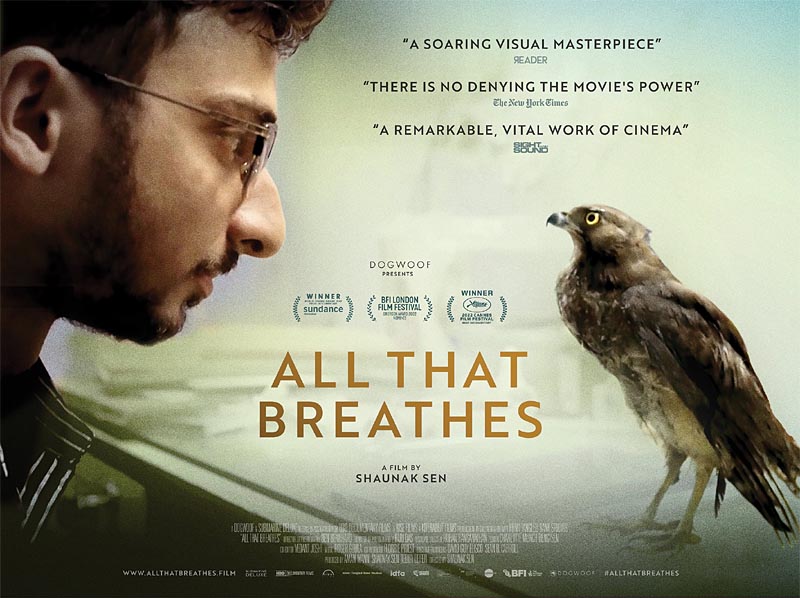
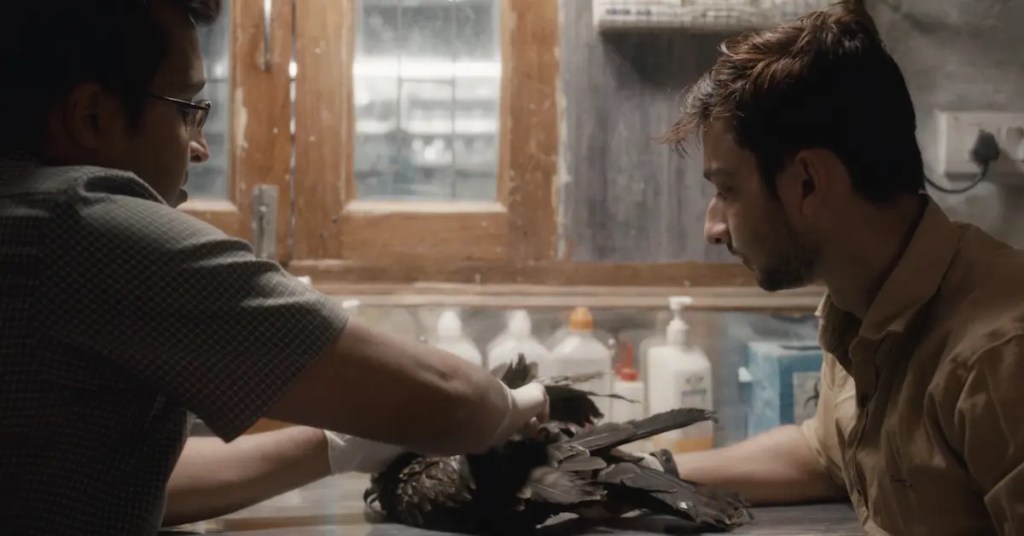
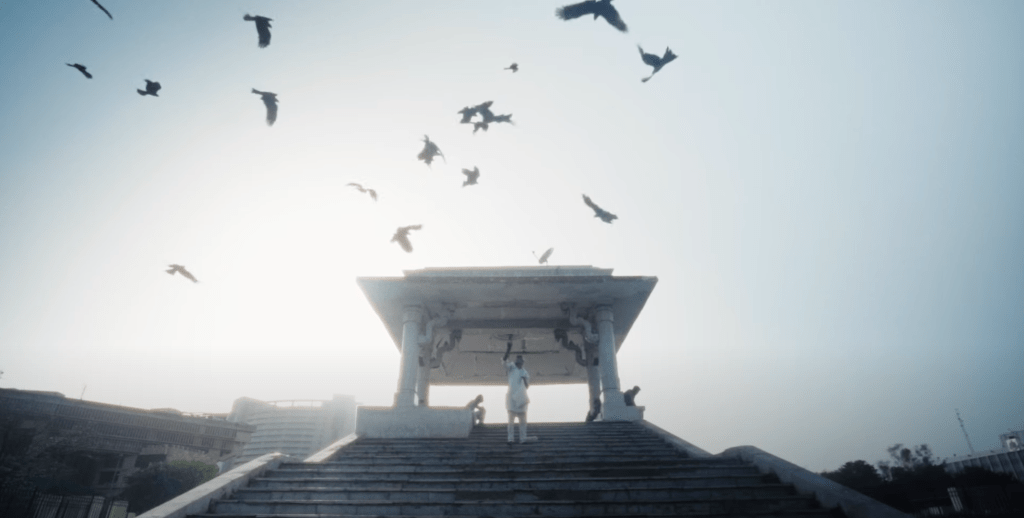
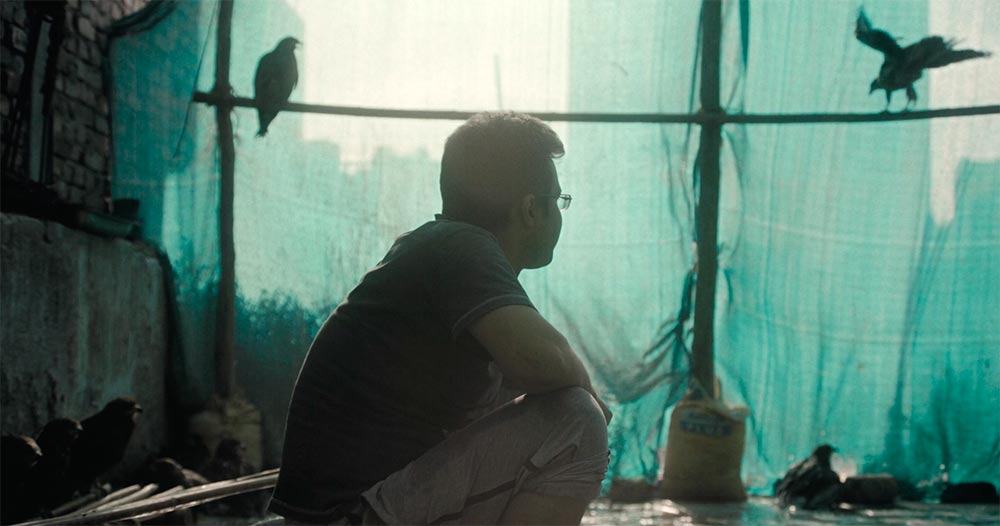
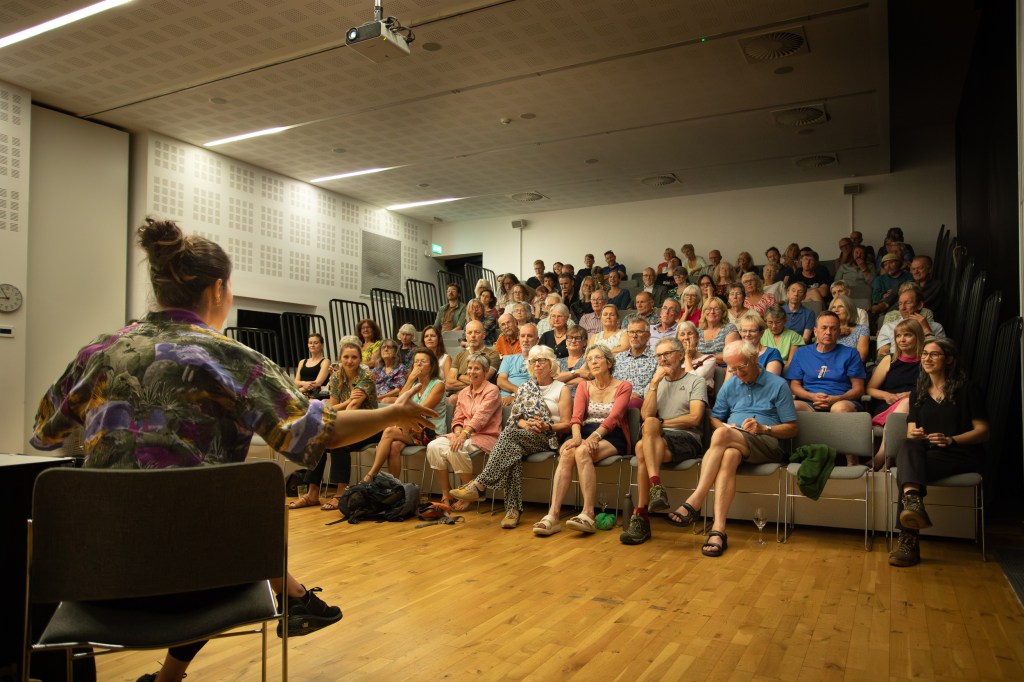
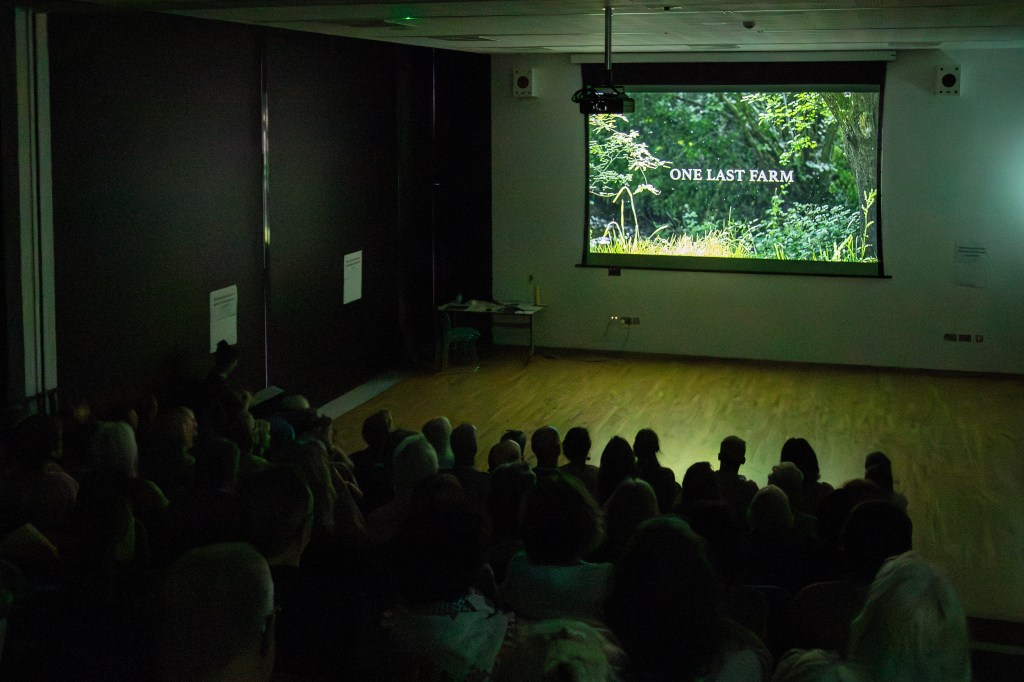
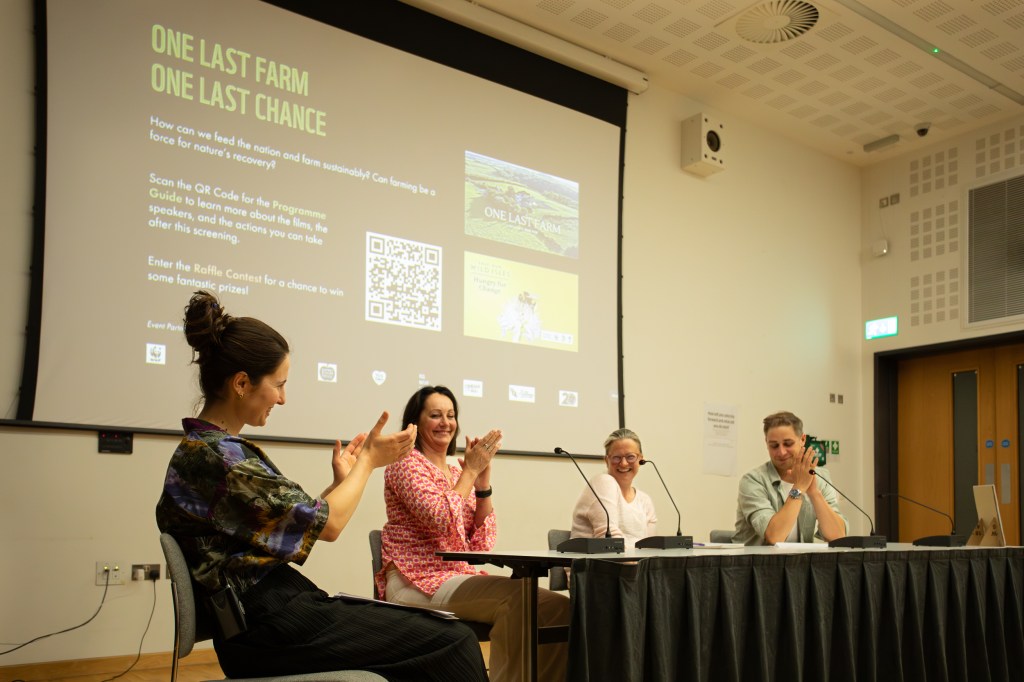
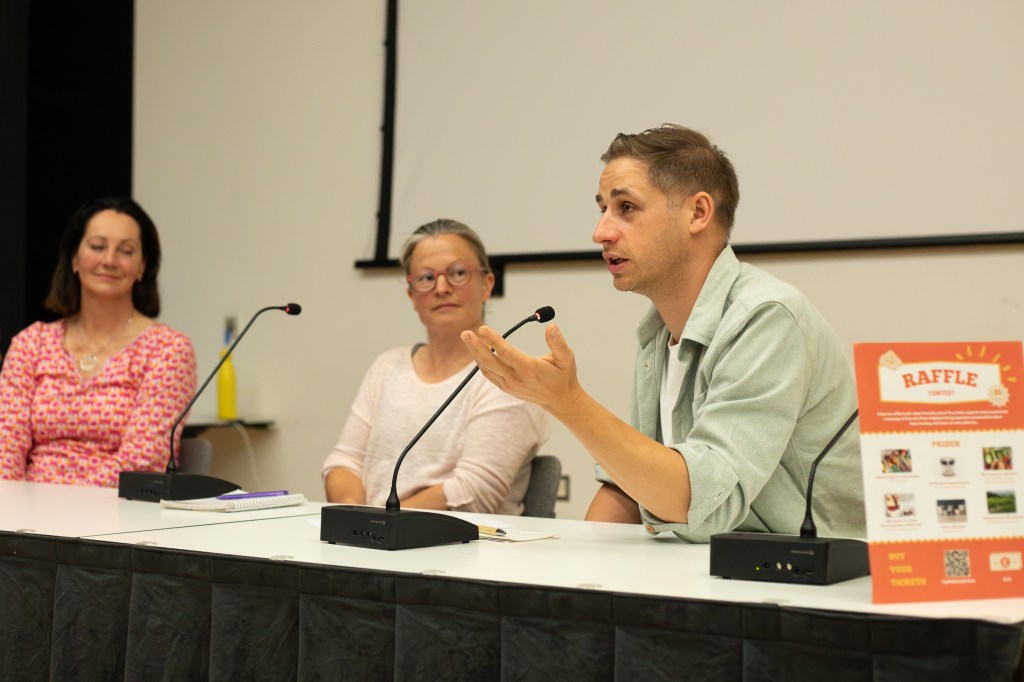


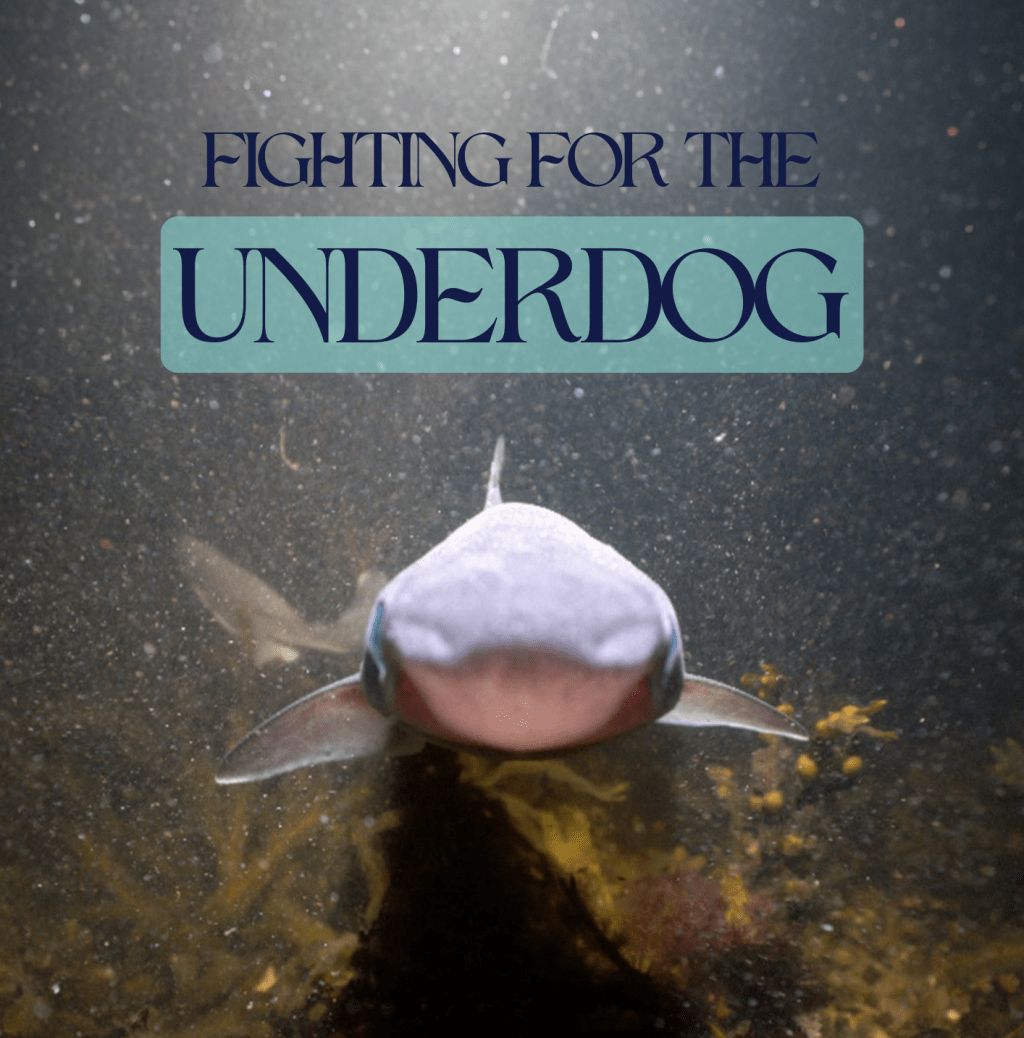


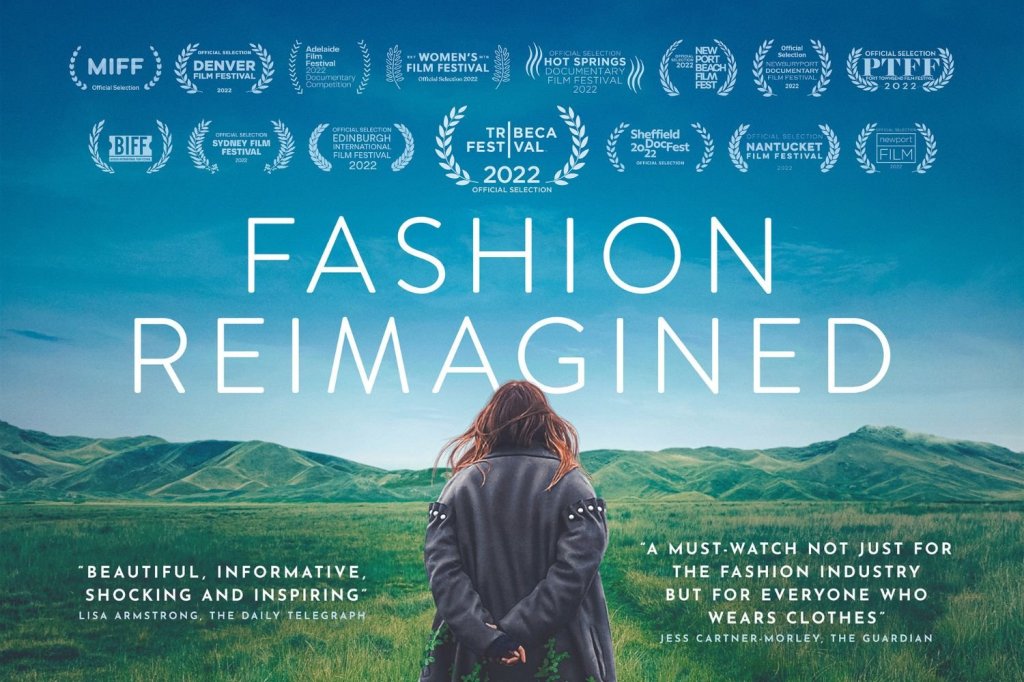



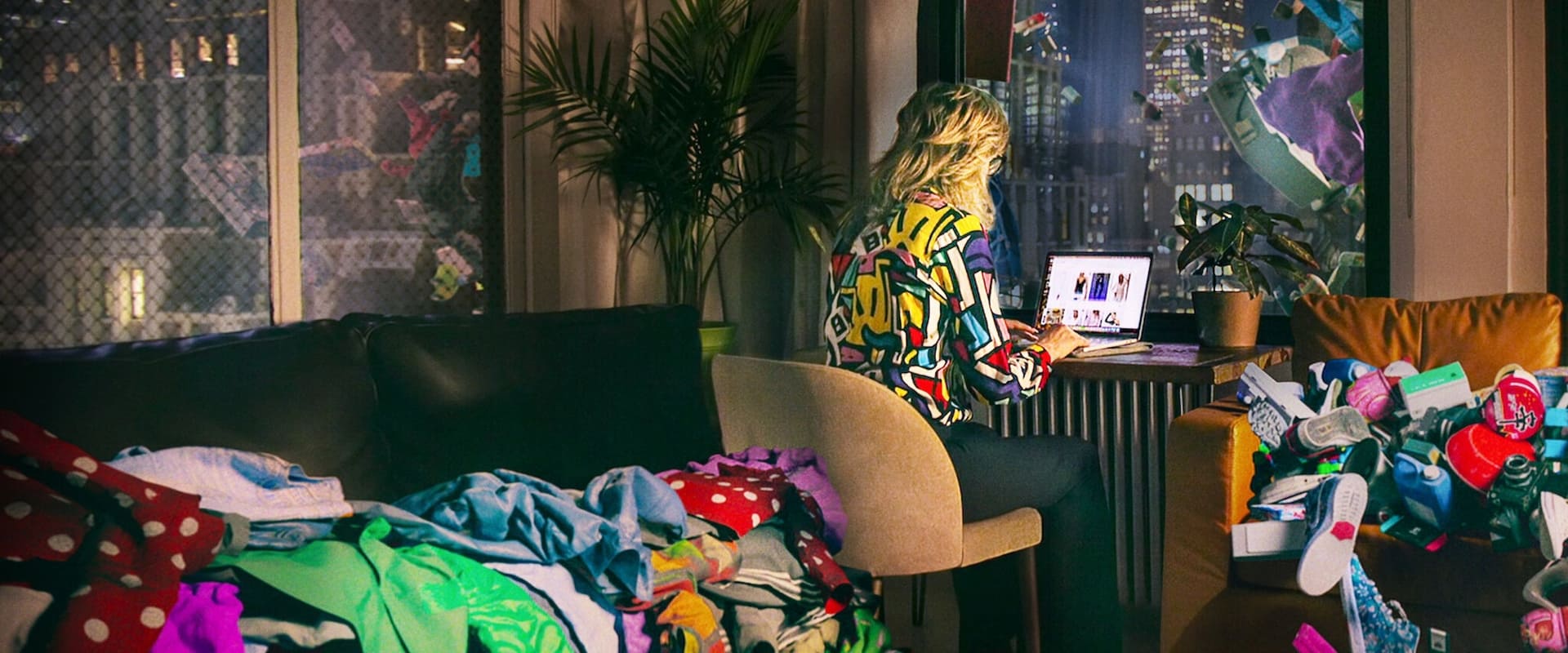
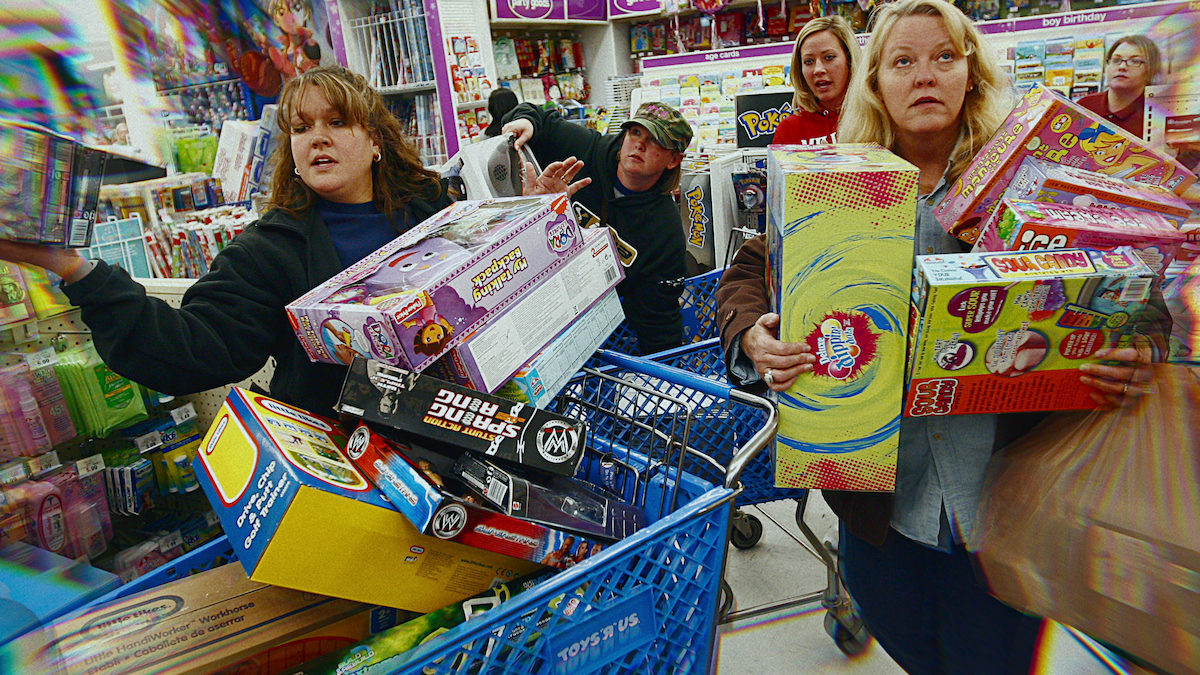
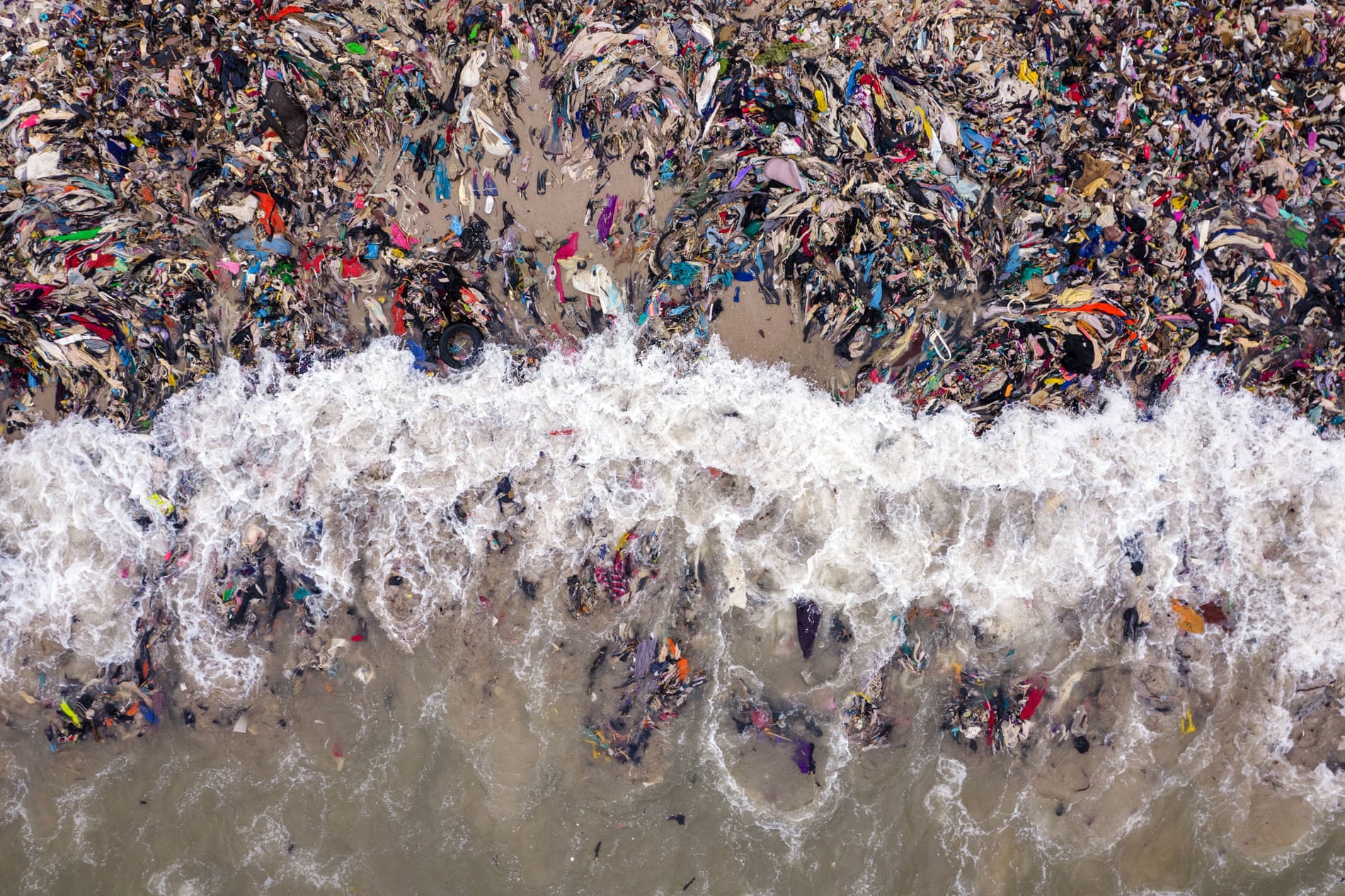


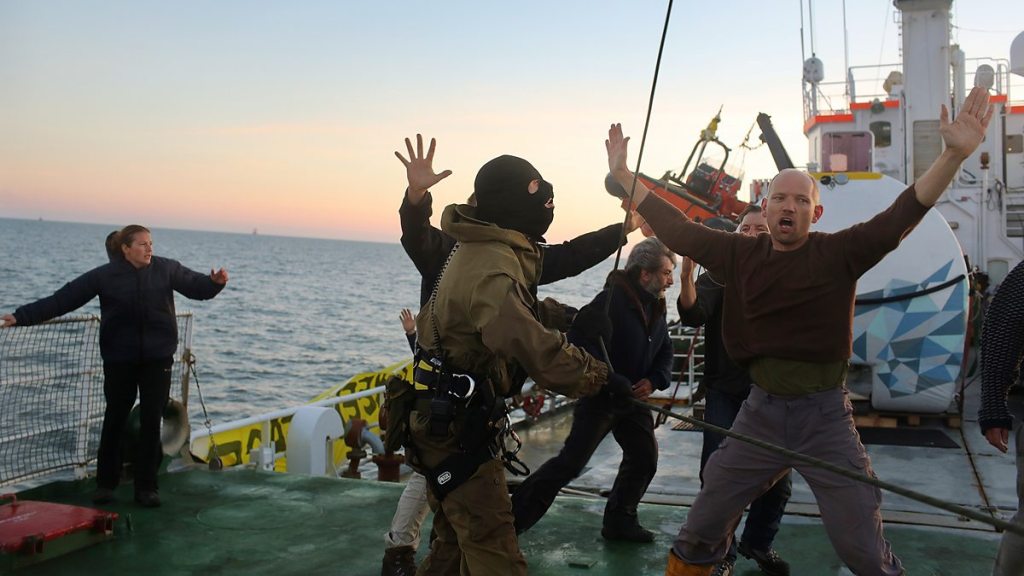


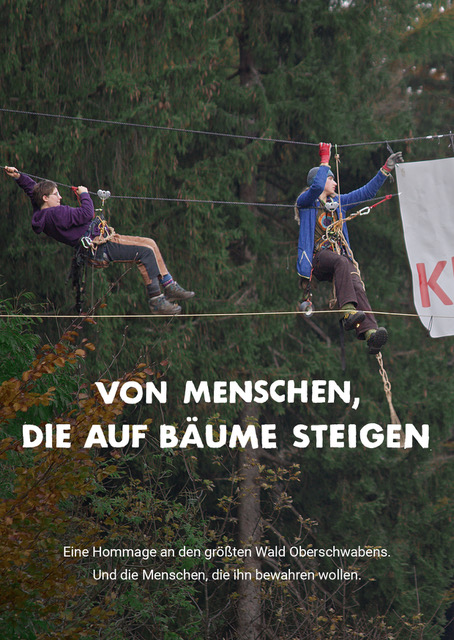
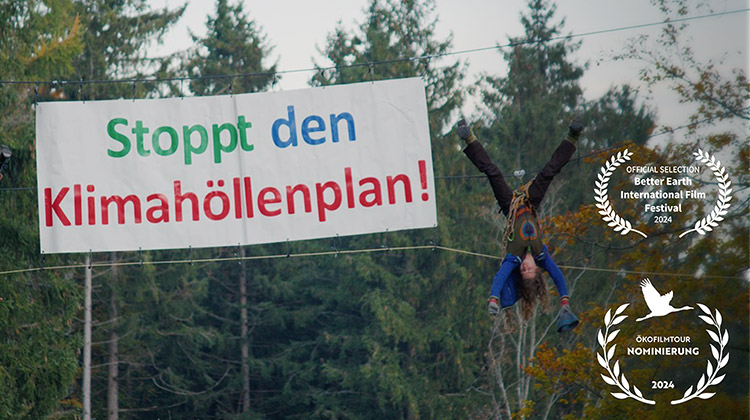


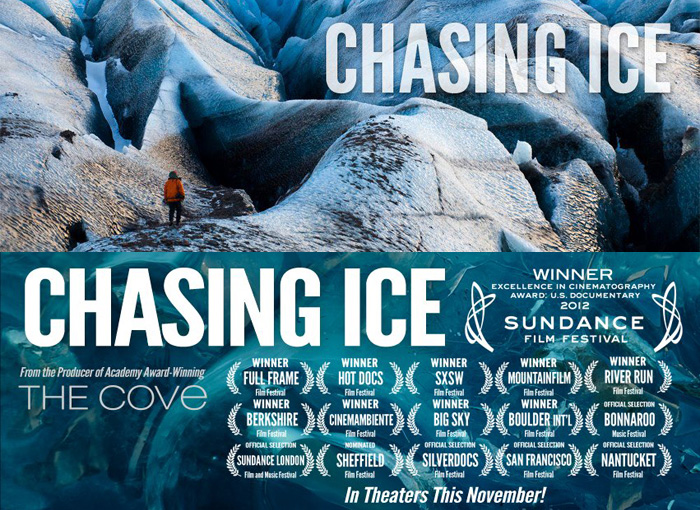

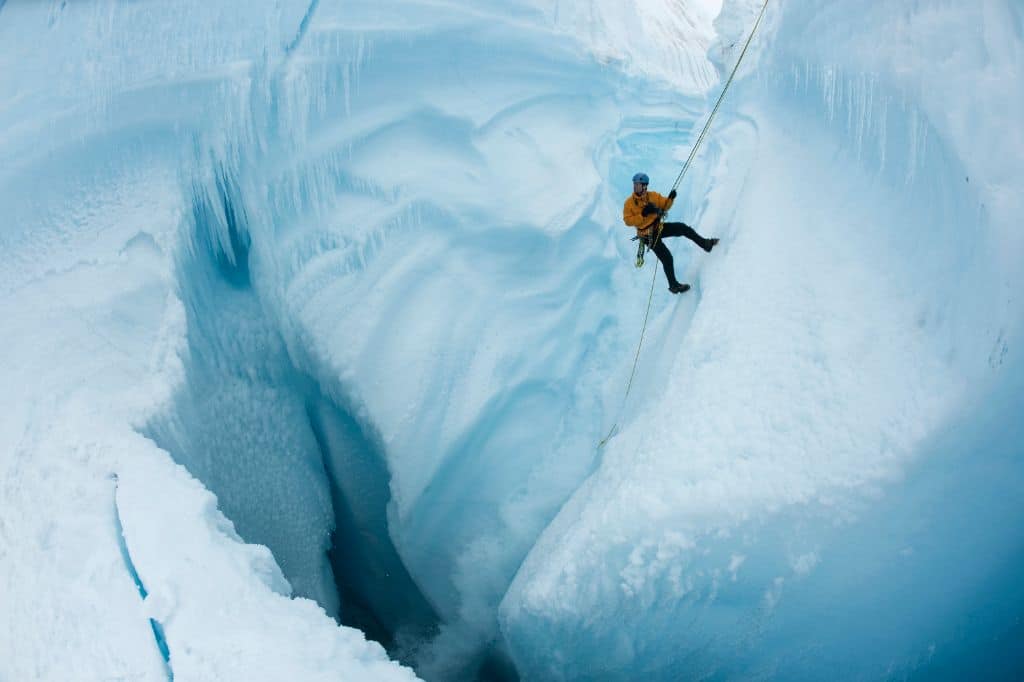
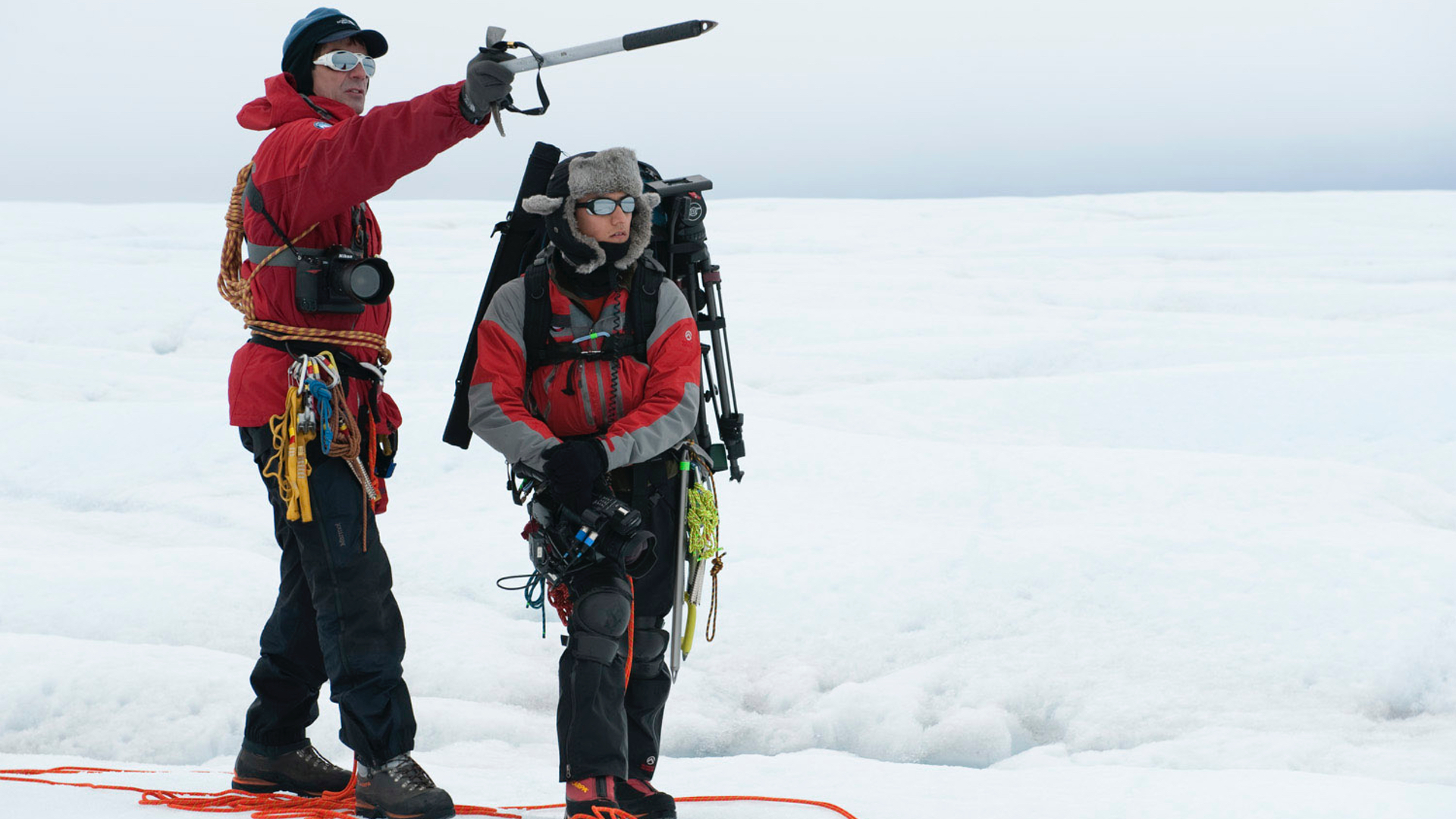
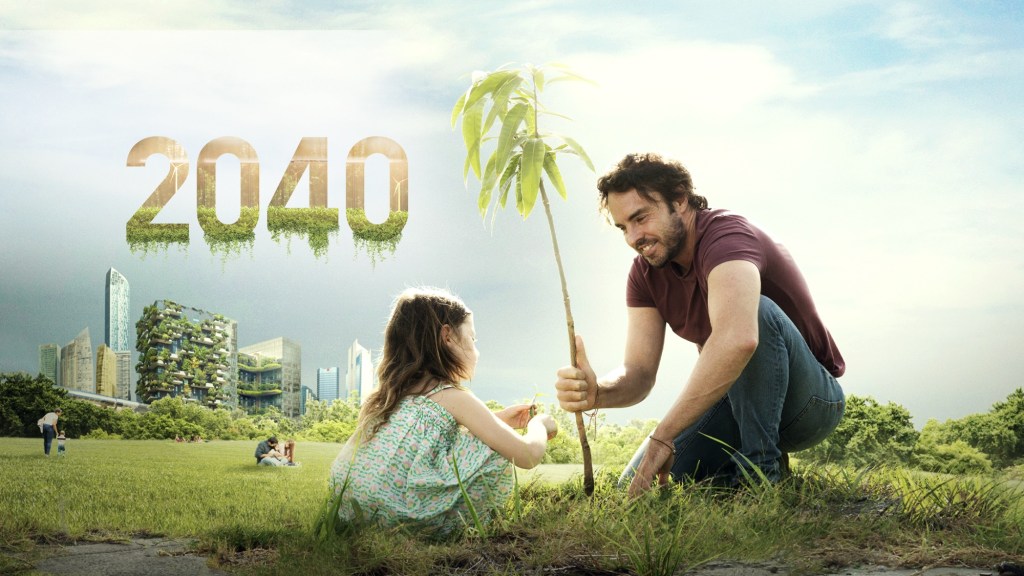








 Jelena Krivosic
