-
Film Club: All That Breathes
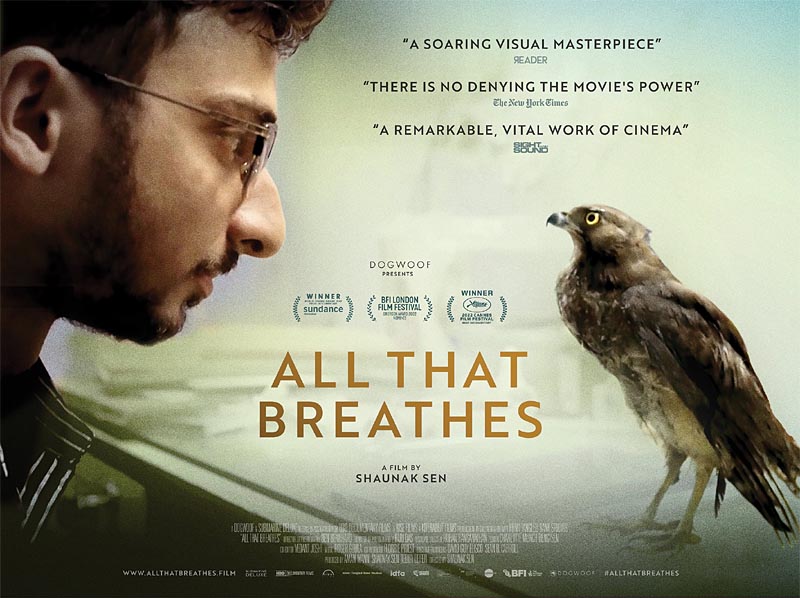
We screened the beautiful “All That Breathes” during the university’s ‘Green Week’. The film follows the ‘kite brothers’ rescuing birds in polluted New Delhi. It highlights the importance of kinship with nature and suggests that acting from a position of care can drive meaningful change, inspiring collective action. The film sparked deep discussions on environmental…
-
Film club: One Last Farm, One Last Chance
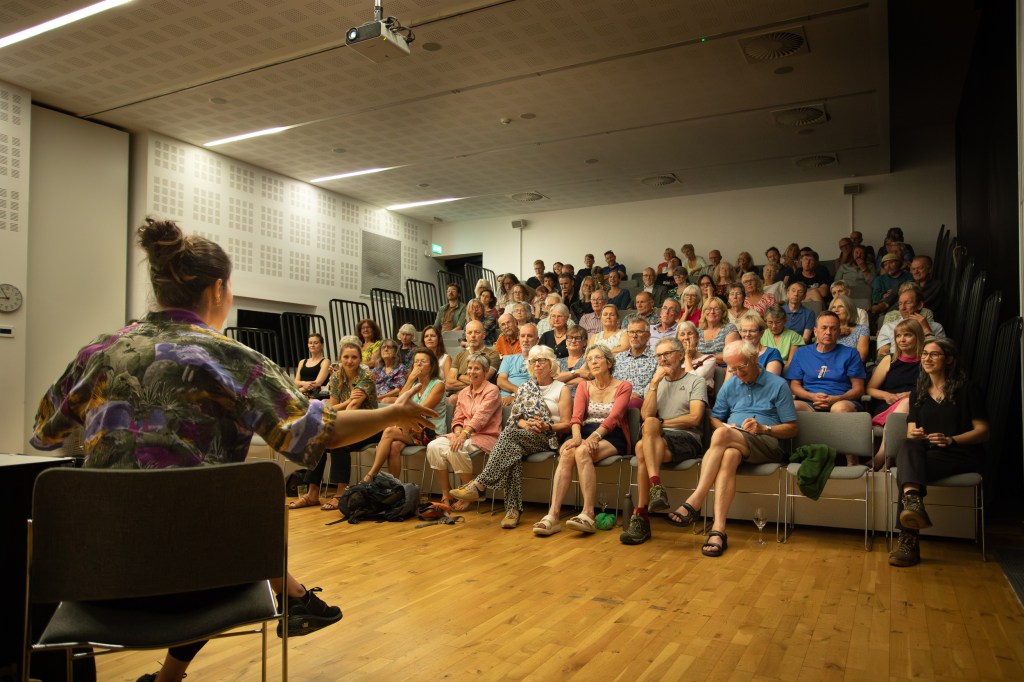
On July 25th, I hosted with Nikki Dodd a screening and panel discussion in Keynsham, called ‘One Last Farm, One Last Chance’. As part of the Somerset Food Trail Festival, the event promoted awareness of sustainable farming and food production. The evening was a massivesuccess with an audience of over 100 people coming from all…
-
Film club: One Last Farm

The “Reel Nature” Film clubs concluded the academic year with a screening of “One Last Farm,” directed by Nikki Dodd. This film illustrates the struggles of Yew Tree Farm, a vital biodiversity haven in Bristol. Audience discussions highlighted the importance of valuing nature and encouraged personal connections to local ecosystems. And we finished with this…
-
Film Club: On Thin Ice – Putin V Greenpeace
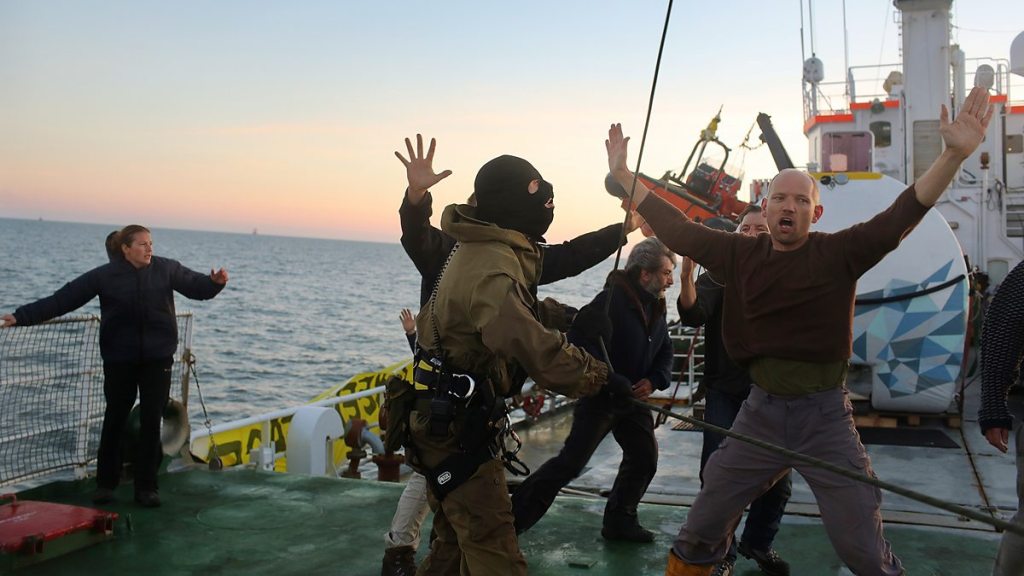
We screened “On Thin Ice: Putin V Greenpeace” at our last film club, prompting discussions on media responsibility, climate messaging, and the effectiveness of dramatic storytelling. Audience feedback highlighted the importance of presenting truthful narratives and the need for awareness of what impact storytelling tools may have on an audience. And everyone wanted to finish…
-
Film Club: Protest in the Land of Plenty
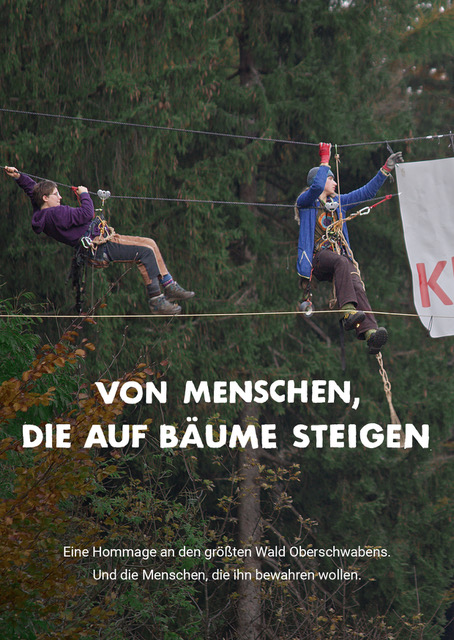
The film club hosted a UK Premier of “How to Protest in the Land of Plenty” (2023). A powerful film about activists occupying Altdorf forest in Southern Germany to prevent its destruction. The activists’ diverse, creative approaches to protest were so inspiring and motivating. The film left a strong impact with its message for community,…
-
Film Club: Chasing Ice
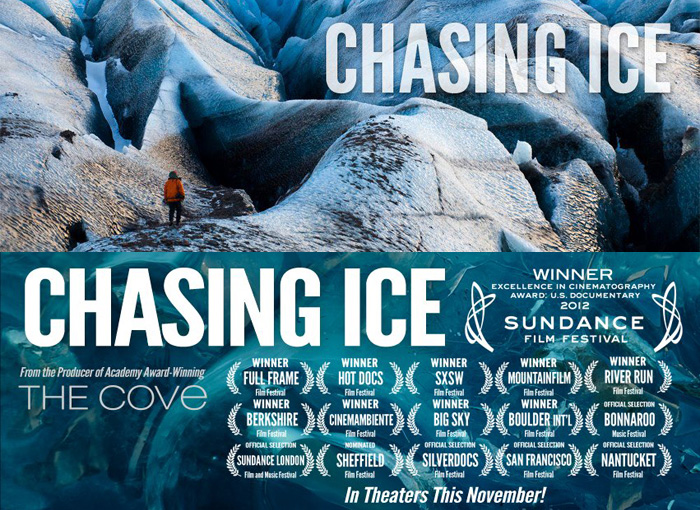
The film club screened “Chasing Ice,” a campaign film highlighting James Balog’s journey to document climate change in the Arctic. Audience reactions were overwhelmingly positive, finding inspiration in Balog’s sacrifices. While some felt disconnected due to the film’s characters and setting, discussions revealed a desire to engage more deeply with environmental issues at the film’s…
-
Film Club: 2040
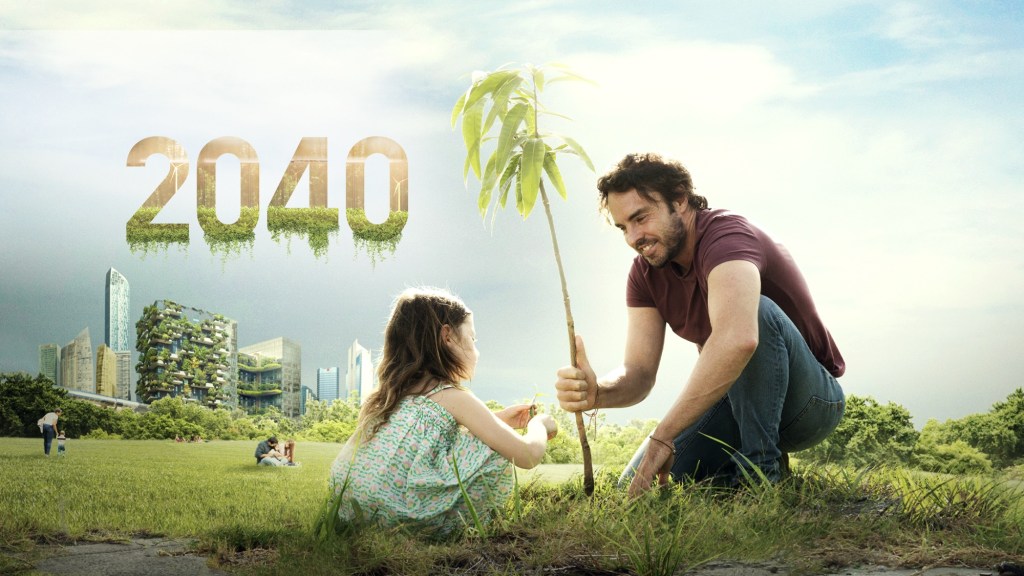
My monthly environmental film club at UWE attempts to engage students and staff in discussions on climate and environmental justice. This month’s film “2040”, directed by Damon Gameau’s inspires hope by highlighting existing solutions to environmental crises. After the screening we had great discussions about the variety of solutions that actually already exist, the topics…
-
Conferences: Critical Studies in Television 2024
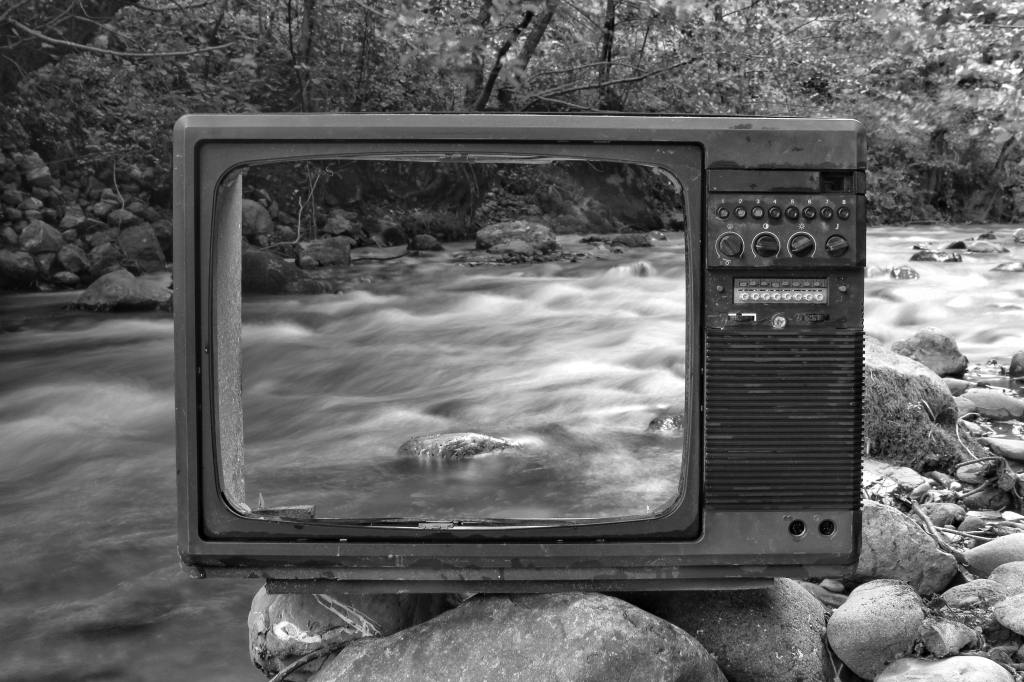
I presented at my first conference! The Critical Studies in Television Conference 2024 was hosted by Edge Hill University online for 2 weeks in June and July. It focused on the UN’s Sustainable Development Goals and featured amazing discussions on how television can inspire change. Here is a snippet about my nerve-wracking experience giving my…
-
Imaginary Book club: How to Be Animal
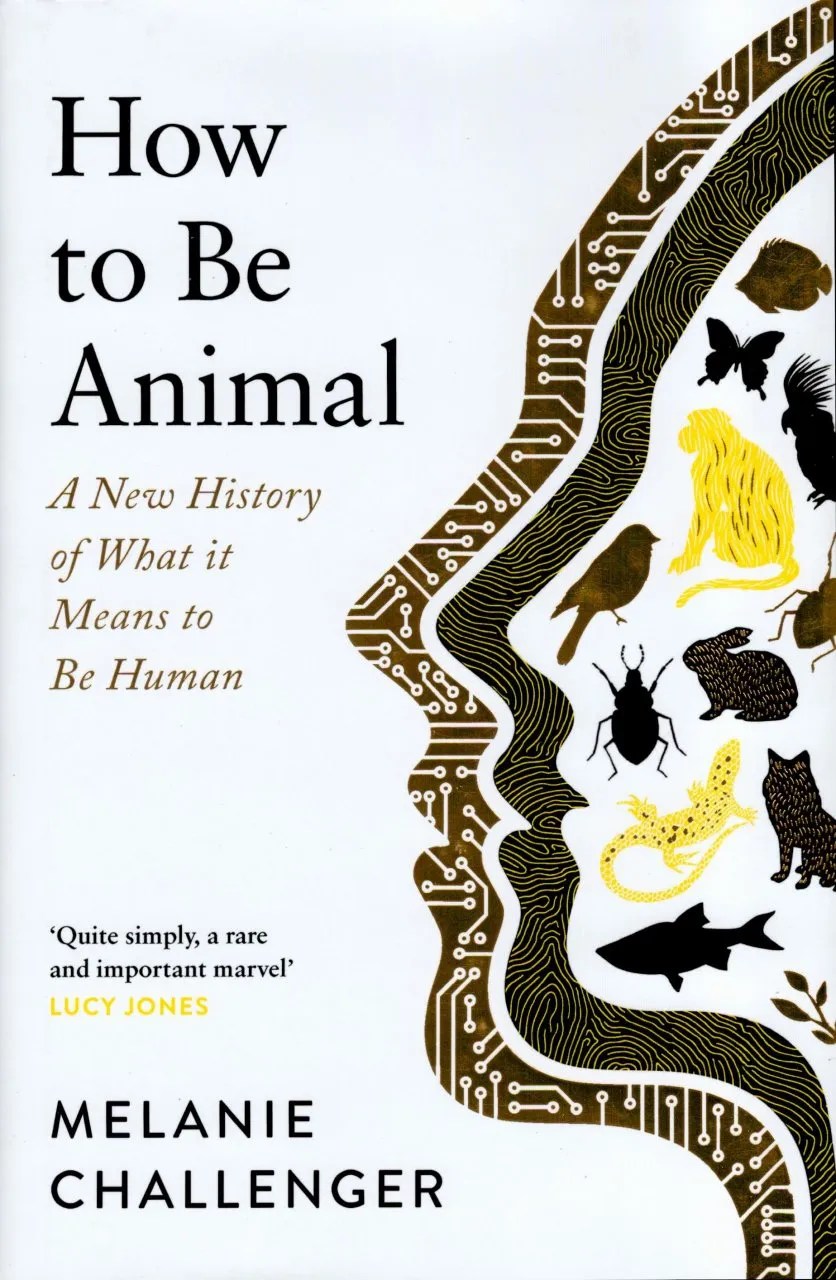
Melanie Challenger’s “How to Be Animal” beautifully challenges the human-animal dichotomy, exploring its implications on society and the environment. The book delves into the historical, religious, and scientific perspectives on human-animal distinctions, shedding light on how these ideas shape societal hierarchies and environmental attitudes. Reconsidering our relationship with animals is therefore crucial for social justice…
-
Subscribe
Subscribed
Already have a WordPress.com account? Log in now.
 Jelena Krivosic